Bipolar Disorder Treatment
in Orange County
Living with mood disorders like bipolar disorder can be a real challenge, bringing major shifts in mood, energy, thinking patterns, and stability that can disrupt nearly every part of your life. A Better Life Recovery offers structured treatment so that you or your loved one can find a new path toward stability and understanding long-term.
Our astute team includes a board-certified psychiatrist specializing in mood-based mental health disorders, while our residential program holds Joint Commission accreditation. We treat bipolar I (with manic episodes), bipolar II (with hypomanic episodes), and cyclothymic disorder, along with any potential dual diagnosis and addiction concerns.
If you or someone you love is finding it hard to cope with bipolar manic or depressive episodes, ABLR is here to help. Contact us today, and we’ll talk you through all your different treatment options.

Understanding Bipolar Disorder
Bipolar disorder is known for extreme shifts in mood, energy, and overall activity levels. Most people tend to fluctuate in how they feel day-to-day, but people with bipolar disorder experience shifts that can have a massive impact on their work, relationships, and daily functioning.1
The disorder classically cycles between two separate poles. On the one hand, they get manic or hypomanic episodes with elevated, expansive mood, a reduced need for sleep, impulsivity, and racing thoughts. On the other hand, they also experience depressive episodes that can be incredibly difficult, with ongoing periods of sadness, low mood, and fatigue.
These shifts can sometimes be gradual or shift quickly and without warning, depending on the diagnosis and presentation.
Bipolar disorder, on the whole, affects around 2.6% of the U.S. population over the age of 18. This makes it rank among the most common co-occurring or dual diagnosis conditions with substance use disorders.2 But bipolar disorder (and all mood disorders) are also inherently treatable with the right combination of medication and therapy, with most people being able to achieve stabilization and continued recovery.
Types of Bipolar Disorder We Treat
Bipolar disorder exists on a spectrum, and the specific type someone is living with shapes a lot about how their treatment should be approached. This includes what medications are most appropriate, what therapy looks like, and what stability means.
A Better Life Recovery provides full-spectrum bipolar disorder treatment, including three of the most commonly diagnosed forms. These are:
Bipolar I Disorder
Bipolar I treatment seeks to address the most severe end of the spectrum. Bipolar I is defined by full manic episodes that last for at least one week and may be severe enough to require hospitalization.
During these episodes, things can escalate quickly: elevated or irritable mood, a drastically reduced need for sleeping, racing thoughts, grandiose notions, and risky behaviors are all common. In more severe cases, psychotic features – including delusions or hallucinations – are also sometimes present.
Depressive episodes are usually seen at the opposite end of the spectrum as well, though they are not required for an official diagnosis of bipolar I disorder.
Bipolar II Disorder
Rather than full mania, bipolar II disorder involves what’s known as “hypomanic episodes” – periods of elevated mood and increased energy that are still disruptive but less severe than full mania.
Depression typically tends to be the dominant experience in this diagnosis. Therefore, bipolar II can frequently be misdiagnosed as major depressive disorder because the hypomanic episodes can sometimes be subtle enough to go unrecognized.
Cyclothymic Disorder
Cyclothymia can also progress to bipolar I or II, making early intervention and effective treatment critical to effective, long-term management.
Signs and Symptoms of Bipolar Disorder
Manic and hypomanic episodes can feel positive and energizing to the person experiencing them, sometimes even euphoric. The trouble comes when these elevated periods of mood lead people to engage in behaviors and thought patterns that cause real and lasting damage. Recognizing these episodes for what they are can be a major part of accessing the right bipolar disorder help.
Manic or Hypomanic Signs
Symptoms of manic or hypomanic periods can include:4
-
-
- Elevated or irritable mood that feels a lot different from being happy or upbeat, and can change into aggravation or aggression quickly
- A decreased need for sleep – feeling fully rested after only a few hours or on no sleep at all, without feeling worn out
- Racing thoughts and rapid, pressured speech that other people may struggle to follow and track
- An increase in activity and agitation, often involving several projects and goal-oriented behavior
- Grandiosity and inflated self-esteem, including an exaggerated sense of personal abilities or importance
- Risky behaviors like shopping sprees, sexual activities, or impulsive decision-making
- Increased substance use, which can accelerate mood shifting
-
Depressive Signs
Depressive symptoms can include:5
-
-
- Ongoing sadness, emptiness, or hopelessness that doesn’t go away when the person is distracted or has something positive happen
- Loss of interest in activities, relationships, work performance, and other things that the person once sincerely enjoyed
- Changes in sleep ranging from insomnia to hypersomnia (sleeping far more than usual)
- Feeling fatigued and losing energy, making even simple tasks feel impossible
- Difficulties with focus and making decisions, including feeling mental fog that affects day-to-day functioning
- Experiencing thoughts of death or suicide
- Self-medicating with drugs or alcohol, which can also worsen the overall course of the disorder
-
Our Bipolar Disorder Treatment Approach
Treating bipolar disorder requires stabilizing your mood so that episodes become less frequent, severe, and disruptive to your daily life. Doing so usually requires a combination of medication management, therapeutic approaches, and attention to your daily habits and rhythms.
At A Better Life Recovery, bipolar disorder treatment is always built around your unique circumstances and experiences. Our approach integrates several unique, specialized treatments with lifestyle and wellness interventions to care for the whole person in the recovery process. The following is an overview of what treatment typically looks like.
Psychiatric Evaluation and Medication Management
Our bipolar treatment plans always include a full psychiatric assessment with our board-certified psychiatrist to evaluate your full history, symptoms, and any previous treatment you’ve received. Mood stabilizers, including lithium, valproate, lamotrigine, and carbamazepine, are commonly utilized for bipolar medication management, along with atypical antipsychotics like quetiapine, olanzapine, aripiprazole, and risperidone when appropriate.
Your prescribed medication will be monitored throughout the treatment process at ABLR and adjusted as needed. And before you graduate from our services, we’ll coordinate with your outpatient providers to make sure your ongoing treatment plan has the continuity and stability you need to succeed.
Evidence-Based Therapies
When it comes to therapy, ABLR makes use of several evidence-based approaches. Cognitive-behavioral therapy (CBT) helps you work on the underlying thought patterns and practical skills you need for managing your mood symptoms, while dialectical behavioral therapy (DBT) addresses emotional regulation and distress tolerance skills.
Interpersonal and social rhythm therapy (IPSRT) is a kind of therapy specially designed for bipolar disorders, working to stabilize daily routines and sleep patterns that can directly impact mood cycling episodes. Additionally, family-focused therapy integrates your loved ones into the process with education and communication tools to better support your healing.
Lifestyle and Wellness
Sleep is so important in so many ways – and disrupted sleep can trigger mood symptoms. For this reason, stabilizing your circadian rhythms is a major part of mood disorder treatment. Our program addresses sleep hygiene and disruption issues directly, alongside stress management, physical exercise, and daily routine work.
Bipolar Disorder & Substance Use
Substance use disorders and bipolar disorder commonly occur together, with nearly 60% of people with bipolar disorder developing addiction issues at some point in their lives.6 Alcohol and other depressants are frequently used to quiet the racing thoughts and agitation of mania or hypomania. They may also be used to numb the weight of a depressive episode. Stimulants are commonly used as well, which can amplify an elevated mood.
Unfortunately, substance use can destabilize mood episodes (or cause them), get in the way of your sleep, and reduce the effectiveness of mood-stabilizing medications. This can create an ongoing cycle that makes both addiction and mood-based symptoms worse.
Treating addiction without stabilizing your mood isn’t effective for holistic care. At ABLR, our dual diagnosis bipolar treatment approach treats both conditions simultaneously, giving you the best possible chance at creating and sustaining long-lasting recovery practices.
Our Bipolar Treatment Team
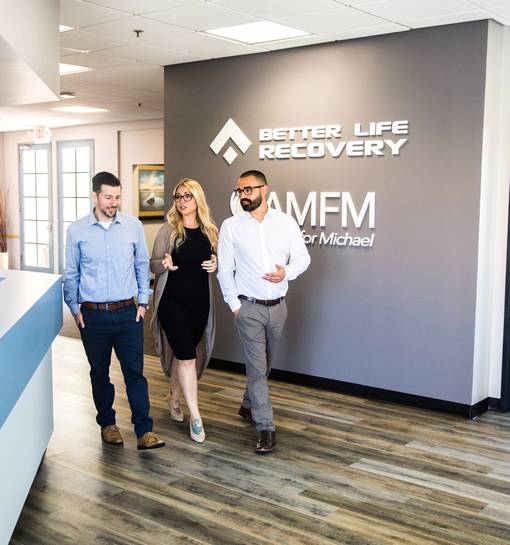
Effective bipolar residential treatment requires a dedicated, professional team to deliver it. A Better Life Recovery features licensed therapists (LCSWs, LMFTs, LPCs), psychiatric nurse practitioners, and addiction specialists collaborating with our board-certified psychiatrist for continuity of care and a team-oriented, well-rounded approach.
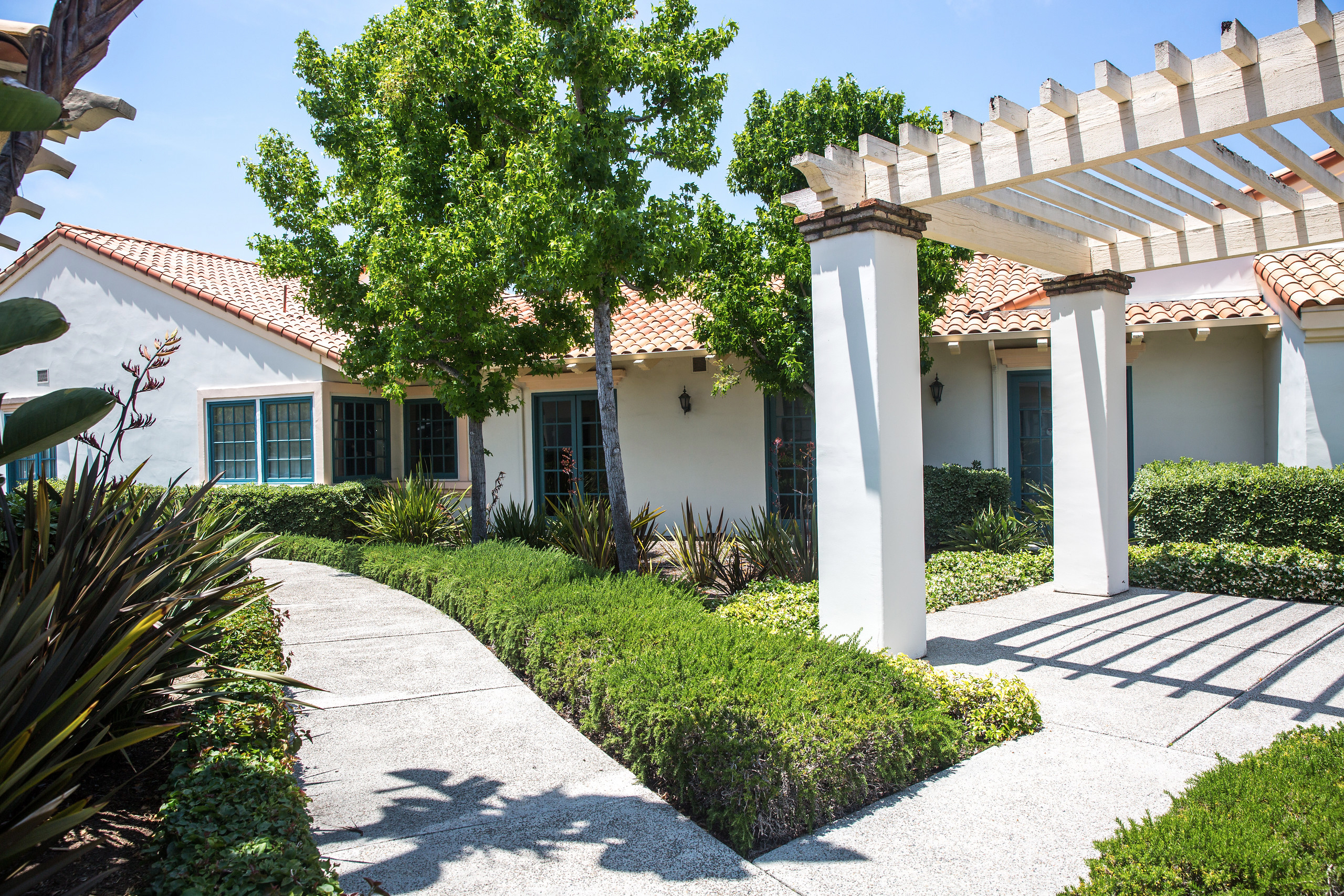
ABLR also provides around-the-clock nursing for 24/7 coverage and crisis support, maintaining a small staff-to-client ratio so that we can help you notice if something is changing or needs immediate attention. We also work hard to stay up to date on the latest treatment evidence and best practices in the field. Therefore, we can give you the best possible experience at our welcoming San Juan Capistrano treatment facility.
What to Expect in Bipolar Disorder Treatment
Inpatient bipolar treatment at A Better Life Recovery is designed to take you or your loved one through a clear progression, working stepwise to address all your needs.
This process typically includes:
-
- A comprehensive assessment and psychiatric evaluation, medical workup, and review of your past treatment to build the most accurate possible picture of your needs and goals going forward
- Introducing and stabilizing on medications as needed, with ongoing monitoring while your bipolar and mood symptoms begin stabilizing
- Residential treatment lasting between 30 and 90 days, depending on your plan
- Daily programming with individual therapy, group therapy, psychiatric sessions, and wellness-based activities each day
- Family involvement, education, and therapy sessions that integrate your support system into the treatment process
- Relapse prevention planning to better recognize future warning signs and construct a plan if anything starts to shift
- Aftercare planning before discharge, including coordinating outpatient referrals, continuity of medication management, and connection with ongoing supports
Insurance & Admissions
We work with most California insurance plans, and mental health and substance use treatment is mandated to be covered under the Mental Health Parity Act. This act requires insurance providers to give you access to mental health-based benefits on par with medical coverage. And ABLR can verify your insurance benefits for free, with no obligations attached.
Same-day admission is available for crisis situations. So if you or someone you love is at the breaking point, we’re ready to help you get started quickly, serving all adults across Orange County and Southern California.
Getting access to high-quality treatment as soon as possible can make a major difference in quality of life. Contact us today to verify your benefits, ask any questions you may have, and take the first new steps toward stability.
Frequently Asked Questions About Bipolar Treatment
If you’re considering bipolar disorder treatment for yourself or someone you love, you might understandably have some ongoing questions after the information on this page. Below, we’ve given answers to some of the FAQs we receive about bipolar treatment.
What’s the Difference Between Bipolar I and Bipolar II?
Bipolar I disorder is defined by full manic episodes that are typically severe enough to make it extremely difficult to function and may require you to be hospitalized as a result. On the other hand, bipolar II disorder involves hypomanic episodes, which feature elevated mood and energy levels that are still disruptive but not as much as manic episodes.
Both conditions can feature depressive episodes and symptoms as well.
Do I Need Residential Treatment for Bipolar Disorder?
You might benefit from residential or inpatient care if your mood symptoms are severe enough that outpatient treatment isn’t enough to help you stabilize. It might also help if previous attempts at treatment haven’t quite worked.
It can also be indicated when you’re experiencing dual diagnosis issues with addiction, when your medications require closer monitoring and adjusting, or when your environment and circumstances are getting in the way of recovery.
Call us today if you’re unsure of what level of care would be best, and we’ll help you think things through and decide.
Will I Need to Take Medication for Bipolar Disorder?
Most people ultimately do take medication for bipolar disorder, as it can help to prevent mood episodes and reduce their overall severity. These unique medications and doses will always be personalized to you, and many people ultimately end up taking them long-term for increasing stability.
Why Do People With Bipolar Disorder Often Also Deal With Substance Misuse?
In many cases, substances like drugs and alcohol are used to manage mood symptoms, to come down from mania, or to get through depressive episodes. Some people also increase their usage during manic or hypomanic phases when experimentation and risky behaviors are more likely.
No matter the circumstances, the two conditions can quickly reinforce one another. This is why dual diagnosis bipolar treatment at A Better Life Recovery seeks to address them both at the same time.
Can Bipolar Disorder Be Cured?
Bipolar disorder is considered a lifelong condition, but “lifelong” doesn’t mean it’s unmanageable. Many people with bipolar and other mood disorders are able to lead sustainable, meaningful lives with the right treatment and support, reducing the frequency and severity of mood episodes.
Does Insurance Cover Bipolar Disorder Treatment?
Due to the Mental Health Parity Act, insurance plans in California and nationwide are required to cover mental health treatment as they do medical care, including residential treatment, psychiatric services, and therapy for bipolar disorder.
Call us for a free and confidential insurance verification so we can tell you exactly what your plan covers.
References
- Howland, M., & El Sehamy, A. (2024, April). What are bipolar disorders? American Psychiatric Association. https://www.psychiatry.org/patients-families/bipolar-disorders/what-are-bipolar-disorders
- Depression and Bipolar Support Alliance. (2019). Bipolar Disorder Statistics. Depression and Bipolar Support Alliance. https://www.dbsalliance.org/education/bipolar-disorder/bipolar-disorder-statistics/
- Mayo Clinic. (2022, December 13). Cyclothymia (cyclothymic disorder) – Symptoms and causes. https://www.mayoclinic.org/diseases-conditions/cyclothymia/symptoms-causes/syc-20371275
- Dailey, M. W., & Saadabadi, A. (2023, July 17). Mania. National Library of Medicine; StatPearls Publishing. https://www.ncbi.nlm.nih.gov/books/NBK493168/
- NIMH. (2024). Depression. National Institute of Mental Health. https://www.nimh.nih.gov/health/publications/depression
- Sperry, S. H., & Lippard, E. T. C. (2025). Co-Occurring Bipolar and Substance Use Disorders: A Review of Impacts, Biopsychosocial Mechanisms, Assessment, and Treatment. Focus (American Psychiatric Publishing), 23(2), 173–182. https://doi.org/10.1176/appi.focus.20240044
CONTACT NOW


info@abetterliferecovery.com

Address
30310 Rancho Viejo Rd.
San Juan Capistrano, CA, 92675
WE ARE FULLY LICENSED AND ACCREDITED