Individual Therapy for Addiction & Mental Health
in Orange County
The recovery process is inherently personal. The experiences that led you here, the patterns you’ve developed, the challenges you’ve faced, and your goals for the future are all unique to you. So your individual therapy should speak to your needs and preferences.
A Better Life Recovery proudly offers private, one-on-one sessions as a core feature of our mental health and addiction treatment services in Orange County. These services are specially designed to speak to your specific situation.
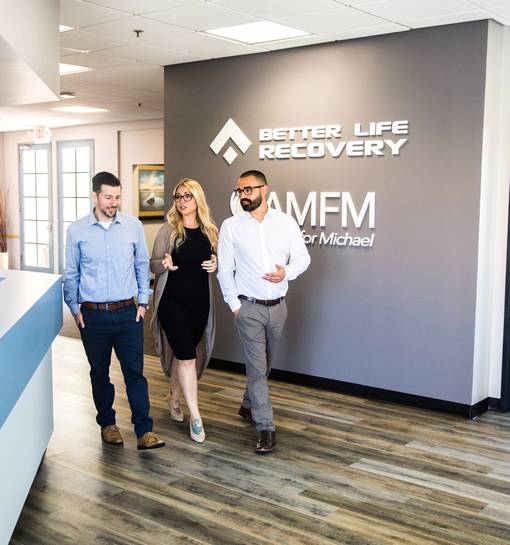
What’s more, our welcoming facility in San Juan Capistrano is Joint Commission-accredited, and our therapists utilize evidence-based approaches to care that match your needs. Contact us today to learn more about how we can help you start the healing process.
This page can also help you better understand our individual therapy for addiction and mental health services, so read on to learn more.
What Is Individual Therapy?
Individual therapy, also known interchangeably as “individual counseling” or “psychotherapy for addiction” when working with substance use, is a one-on-one session between you and a licensed clinician.1 Typically running anywhere from 45 to 60 minutes per session, it’s a place where you can talk about anything and everything to help you explore your experiences.
Sensitive topics – such as trauma, shame, relationships, and difficult memories – are easier to explore in a confidential space. Your therapist will give you their undivided attention and help you go deeper, exploring threads that truly matter and adjusting based on what’s coming up in sessions.
Therapeutic momentum builds up over time. It comes from building a consistent relationship with someone who gets to know your full story, along with the history behind it, the patterns underneath it, and the goals that mean most to you.
At A Better Life Recovery, one-on-one therapy works in tandem with group sessions, family therapy, and psychiatric care in our mental health and addiction treatment approach. This allows us to always adapt to where you’re at and work together to address any potential dual diagnosis concerns.
The Benefits of Individual Therapy in Rehab
Therapy in rehab takes on many different forms and is unique to everyone, but it’s also a place where some of the most significant recovery work happens. The benefits typically include:2
- Personalized treatment: Your experience with therapy is built around your story, history, goals, and experiences, adjusted as things progress.
- Inherent privacy: Sensitive topics that might otherwise feel too raw or personal to talk about with others or in a group setting can be explored more fully with the benefit of strict confidentiality.
- Deeper explorations: With consistency, there’s more space to fully process difficult emotions and experiences like trauma, grief, shame, and anger.
- The ability to work on root causes: Individual therapy helps to uncover why substance use or mental health concerns arose – and how they might be interacting with one another.
- Tracking your progress: Your clinician will monitor how you’re developing across sessions and adjust their approach if something isn’t working or speaking to your goals.
- Skill-building: Developing strategies that speak to your specific triggers and difficulties that you can use across environments and circumstances in life
Taken together, these elements add up to make individual counseling one of the most powerful parts of residential treatment. It can help you to better know yourself and develop real, lasting changes in your life.
Therapeutic Approaches We Use
No single approach to therapy works for everyone. The experiences that might be driving addiction and mental health challenges can vary too much from person to person. So a good therapist knows they have to adapt their approach to your circumstances.
ABLR’s team is trained across several evidence-based approaches to therapy and draws on several combinations to best fit your needs. These include:
Cognitive-Behavioral Therapy
Dialectical Behavioral Therapy
DBT was originally developed for people whose emotions are extremely intense. It remains a powerful tool for building skills across four core areas: emotional regulation, distress tolerance, mindfulness, and interpersonal effectiveness.4
For those coping with overwhelming feelings, dialectical behavioral therapy skills can be an extremely powerful tool for navigating turbulence in the recovery process.
Eye Movement Desensitization and Reprocessing Therapy
EMDR trauma therapy utilizes a bilateral visual stimulation approach to help your brain process memories and reduce their emotional hold.5 For those whose addiction is tied to unresolved trauma, it can help unlock new gains and insights in healing from addiction and mental health concerns.
Motivation Enhancement Therapy
Trauma-Informed Care
Trauma-informed care is less a therapeutic modality and more of a lens that all our therapists adapt, meaning they understand that many in treatment carry trauma in their lives.7 As such, we structure interactions to prioritize your safety and avoid any retraumatization, shaping how we work collaboratively across the board.
What Happens in Individual Therapy Sessions
Your first sessions in therapy will focus on the assessment. This involves taking the time to better understand things like your personal history, what brought you to treatment, and what you’re hoping to get out of it. Treatment planning is also important in the early stages, setting goals unique to your situation. Each treatment plan is always built collaboratively with your therapist.
During residential treatment, you’ll then meet with your therapist multiple times per week to process your emotions and identify patterns that merit a deeper look. This allows you both to work to build concrete coping skills that you can start practicing in everyday life.
These sessions might feel different over time. Some weeks might hold major breakthroughs, while others feel slower or bring up something unexpected. This is a totally normal part of the process, and your therapist is trained to work with wherever you’re at on any given day. Early sessions tend to focus on stabilization and building trust, with growing capacity to delve deeper into more entrenched patterns and underlying beliefs that may have been influencing your behavior patterns for years.
Your therapist will regularly review what’s working and what isn’t as time goes on, adjusting your approach as necessary. We’re here to help you make sustainable, positive changes that last, strengthening the recovery process long after you’ve graduated from residential care.
Issues We Address in Individual Therapy
Individual counseling at A Better Life Recovery covers a wide range of challenges, including those that frequently occur together. Our team is experienced in working with a wide array of mental health and substance use-related concerns, partnering with you to develop a treatment plan that addresses each of your needs. This might include:

- Addiction and substance use patterns, including the triggers, behaviors, beliefs, and practices that so often keep them in place
- Trauma and PTSD from past experiences that may be impacting your daily life and making it hard to move forward
- Depression and mood disorders that can either drive addictive behaviors or develop alongside them
- Issues with anxiety and panic, including chronic worry, social anxiety, and recurring panic attacks
- Grief and loss, including those feelings that are sometimes hard to name or understand
- Relationship issues, including patterns of ongoing conflict, struggles with communication patterns, trust issues, and codependency
- Self-esteem and identity issues that shape how you see yourself and what you believe you deserve
- Shame and guilt, especially the kind that builds up over years and becomes part of how you function in daily life
- Anger and emotional regulation challenges, learning how to better manage intense feelings without becoming destructive
- Life transitions and ongoing stressors that can destabilize your mental health or trigger a relapse
Individual Therapy vs. Group Therapy
Both individual and group therapy are offered at ABLR, with each one serving its own unique treatment purpose for the healing process. Having this balance matters a lot; neither modality is a substitute for the other, and the most effective treatment programs weave them both together in an intentional way to maximize their respective effectiveness. Below, we take a look at the strengths of both.
Individual Therapy Strengths
One-on-one sessions are vital for personal work, and confidential sessions give you the space and the confidence to talk about everything, no holds barred. Your clinician has the time and the context to work through your unique history, adapting their approach to what you’re dealing with and working collaboratively to unlock real progress moving forward.
Group Therapy Strengths
Group therapy works on an entirely different level, placing you in direct contact with others who share an understanding of your experiences and learning together. With both a trained facilitator and group members with similar issues, you can practice new ways of being and relating. Building connection and reducing isolation, A Better Life Recovery proudly offers both individual and group therapy to help you develop new skills and patterns of growth.

Our Therapy Team
The therapy team at ABLR holds licensure across a wide range of disciplines. This includes Licensed Clinical Social Workers (LCSWs), Licensed Marriage and Family Therapists (LMFTs), Licensed Professional Counselors (LPCs), and Certified Addiction Counselors (CADCs). All our clinicians are trained in research-backed modalities, including CBT, DBT, EMDR, and trauma-informed care.
We maintain a low staff-to-client ratio (1:2.5) to make sure your therapist always has enough time and headspace for your needs. Retaining the same therapist also gives consistency and familiarity to your time in residential treatment.
Insurance & Admissions
Individual therapy is included as one of our many holistic offerings at A Better Life Recovery, and we accept most major insurance plans for coverage. Our admissions team can also help to verify your benefits for free and handle the entire process with confidentiality. This can help you to figure out the best path forward without any pressure or obligation to us.
ABLR serves adults across Orange County and all of Southern California from our welcoming facility in San Juan Capistrano. Contact us today so we can help you get all the logistics in place so you can make space to start the recovery process.
Start Your Recovery Journey Today
If you’re ready to break free from substance use addiction, reach out to us today to arrange a free, confidential consultation. Our 24/7 admissions helpline can answer any questions you may have. Let us support you on your journey to recovery.
Frequently Asked Questions About Individual Therapy
If you have any questions about individual therapy for addiction, the following answers to FAQs we encounter could help provide extra clarity.
How Often Will I Have Individual Therapy Sessions?
You’ll meet with your assigned therapist multiple times per week during inpatient treatment. The precise frequency depends on the particulars of your treatment plan. However, the intensity is likely much higher than what most people experience in outpatient-based care, where once per week is typical.
Seeing your clinician more often helps to build momentum and allows the work to build on itself as you explore what’s important in your recovery.
What if I Don’t Connect With My Therapist?
The relationship between you and your therapist is an important factor in how your treatment works, so please tell us if the fit feels off for whatever reason. We’d much rather help you find someone better suited to your needs than have you try and push through sessions that don’t feel like they’re helping.
Is What I Say in Therapy Confidential?
Yes, everything you share in individual therapy is confidential and protected by law. However, there are some expectations to be aware of. For instance, if there is an imminent risk of harm to yourself or to other people. Alternatively, if there is suspected abuse of a child or vulnerable adult, or a court order, confidentiality may have to be broken.
Your therapist will walk you through everything clearly in your first session. Other than these circumstances, what you choose to talk about in the therapy session stays there.
What’s the Difference Between a Therapist and a Psychiatrist?
Therapists focus mostly on talk-based work, helping you process your experiences, build new skills, and explore your patterns and emotional outlook. Psychiatrists, on the other hand, are medical doctors who primarily focus on prescribing medications and adjusting them as needed.
Both roles complement one another, and both are part of your treatment team at A Better Life Recovery.
Do I Have to Talk About My Trauma?
No, nothing is ever forced or coerced in treatment. Your therapist is there to follow your lead, working at a pace that feels manageable to you.
Having said that, unaddressed trauma is often one of the root causes of addiction and mental health issues. Therefore, carefully working through it (when you feel ready to do so) can produce more lasting results than attempting to work around it.
References
- Fairfield Medical Center. (2024, November 5). Understanding Individual Therapy. https://www.fmchealth.org/individual-therapy/
- National Institute of Mental Health. (2024). Psychotherapies. National Institute of Mental Health. https://www.nimh.nih.gov/health/topics/psychotherapies
- American Psychological Association. (2017). What is cognitive behavioral therapy? https://www.apa.org/ptsd-guideline/patients-and-families/cognitive-behavioral
- Cleveland Clinic. (2022). Dialectical behavior therapy (DBT). https://my.clevelandclinic.org/health/treatments/22838-dialectical-behavior-therapy-dbt
- American Psychological Association. (2025, April). Eye movement desensitization and reprocessing (EMDR) therapy. https://www.apa.org/ptsd-guideline/treatments/eye-movement-reprocessing
- Columbia University Irving Medical Center. (2019, February 11). Motivational Enhancement Therapy | ColumbiaDoctors – New York. ColumbiaDoctors. https://www.columbiadoctors.org/treatments-conditions/motivational-enhancement-therapy
- SAMHSA. (2024). Trauma-Informed approaches and programs. SAMHSA.gov. https://www.samhsa.gov/mental-health/trauma-violence/trauma-informed-approaches-programs
CONTACT NOW


info@abetterliferecovery.com

Address
30310 Rancho Viejo Rd.
San Juan Capistrano, CA, 92675
WE ARE FULLY LICENSED AND ACCREDITED