Addiction & Mental Health Treatment
for First Responders in Orange County
First responders know exactly what a crisis looks like; many have likely responded to hundreds of them, staying calm and getting the job done. But these can be a totally different proposition than the crises they might be experiencing of their own.
First responders witness extreme circumstances that can force them to make difficult decisions, often within a culture that teaches them to push through their emotions and not show any weakness. A Better Life Recovery knows the unique pressures this can bring. This is why our first responder treatment program is built around the specific pressures and trauma that bring police officers, firefighters, paramedics, EMTs, and nurses through our doors.
Our treatment is always 100% confidential. We handle everything with discretion and care because you shouldn’t have to worry about anything standing between you and getting better. And our Joint Commission-accredited facility in San Juan Capistrano also offers trauma-informed care for PTSD alongside other co-occurring addiction and mental health issues.
First Responders We Serve
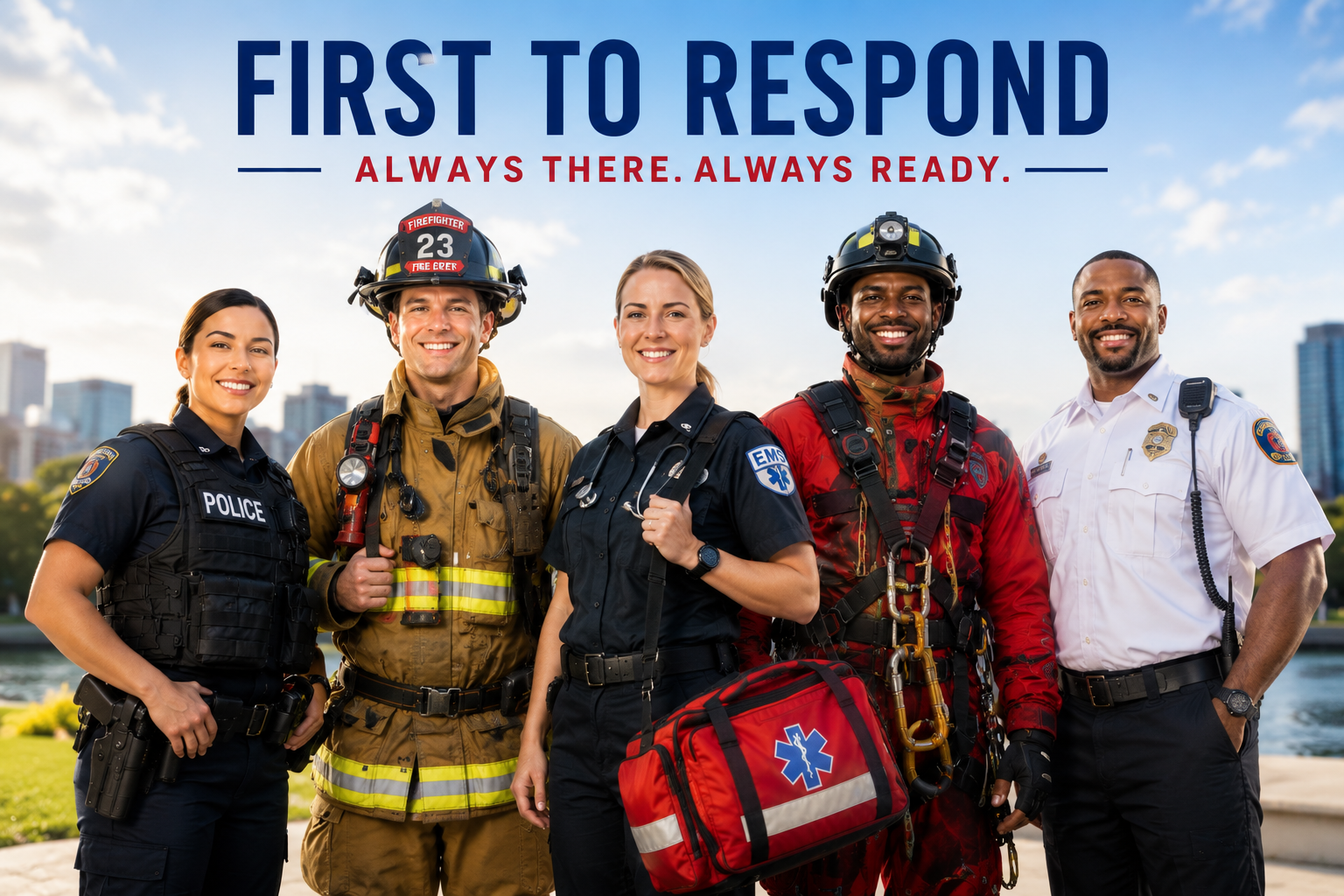
Each first responder role comes with its own unique demands, culture, and risks. Our first responder rehab program proudly serves law enforcement professionals, including police officers, sheriffs, deputies, and correctional officers, as well as firefighters and other emergency personnel like dispatchers and 911 operators.
Additionally, we also treat emergency medical professionals, including nurses, hospital staff, paramedics, EMTs, and ambulance workers on the front lines of emergency care.
We built our treatment programs with you in mind – the people who willfully choose to put themselves in the middle of other people’s worst moments on a regular basis.
Working as a first responder is incredibly challenging. Sometimes a single incident can cause you harm. But it may also be the case that the accumulation of hundreds of calls over the years has made it difficult to keep yourself functional and operating at the top of your game.
What’s more, first responder mental health has historically been treated as a private weakness in many departments. So asking for help might feel like a risk to your career or a betrayal of your professional identity. Some of the challenges facing first responders working in the field and in supportive positions can include:1
- Repeated exposure to trauma: Witnessing death, injuries, violence, and suffering on a regular basis can take a major toll on your ability to handle stress management and overall wellness.
- Critical incidents: Acute, powerful traumatic experiences can alter how you respond and function in day-to-day life.
- Accumulated stress: Potentially experiencing years of minor traumas can quickly build into a weight that feels impossible to keep carrying.
- Shift work and ongoing sleep disruptions: Irregular work schedules can have a large impact on your overall health and resilience, which can also make you more vulnerable to stress and the toll of regular trauma exposure.
- Hypervigilance: A hallmark symptom of post-traumatic stress disorder (PTSD), hypervigilance keeps you scanning for threats off the job as well, making rest and sleep incredibly difficult.
- Work culture: The pressure to appear strong and hide any perceived vulnerability can keep many first responders from seeking help (until a crisis potentially forces the issue).
- Fears about career trajectory: Many people working in the field are afraid that treatment will affect their employment or potential future promotions.
Common Conditions Among First Responders
The conditions that develop for first responders can sometimes look a lot different from how they present in the general population. For example, depression can be masked by adrenaline, or PTSD can be written off as simply an after-effect of the job. Plus, drug and alcohol use is sometimes normalized as simply “part of the culture.”
There are several conditions that ABLR commonly treats for first responder mental health concerns and addiction care. These include:
PTSD and Acute Distress
Depression
You might be dealing with depression, yet still showing up for work. This might mean you’re finding it hard to cope in ways that nobody else seems to see. Professional ideals can make it hard to admit or even recognize that you’re experiencing a problem, but the good news is that depressive symptoms are inherently treatable.
Anxiety and Hypervigilance
The same alertness that makes you so effective on the job can quickly become a liability in your off-hours. Constantly scanning your environment for potential threats and disturbances can leave you less than present at home and for your loved ones. This is a sure sign that your nervous system is turned on all the time.3
Alcohol Use Disorder
Alcohol is often deeply embedded in first responder culture as a way to “blow off steam” after a difficult shift. But frequent use can quickly turn into dependency issues, often without the person realizing it’s happening. Firefighter and police officer addiction treatment both frequently involve addressing alcohol use that has been normalized for years
Prescription Drug Misuse
Physical injuries are common for first responders, but the pain medications often prescribed to treat them can also carry a serious risk of addiction. Sleeping aids, stimulants, and opioids all have their clinical uses, but misuse can come about even when they’re prescribed by your doctor, quickly bringing along a host of other issues
Sleep Disorders
Shift work, ongoing hypervigilance, and unprocessed trauma can all combine to make sleep incredibly hard, with insomnia, recurring nightmares, and sleep apnea all commonly seen. Furthermore, chronic sleep deprivation can cause its own issues and compound any other potential dual diagnosis issues as well.
Relationship Issues
First responder work can put a massive strain on relationships and families. Emotional withdrawal and shifting schedules can create a lot of distance. Further, relationship damage can come about as a result of untreated mental health conditions and also serve as a cause of them as well.
Suicidal Thoughts
Our First Responder Treatment Approach
Treatment that works for first responders has to be built around the realities you face: the culture, the trauma profiles, the career considerations, and the resistance to being seen as anything other than totally capable.
Chronic trauma and critical incident stress treatment require unique clinical tools. A Better Life Recovery utilizes EMDR to help you process traumatic memories, alongside cognitive processing therapy (CPT) and prolonged exposure therapy when appropriate – all evidence-based modalities for trauma-based symptoms.
Speaking of evidence-based care backed by research, CBT can help you identify and reshape the thought patterns that can develop after years of high-stress work. Further, DBT can help build up your emotional regulation when your nervous system has been running on high for so long. Group therapy can also offer you an opportunity to work through your experiences with people who are experiencing similar challenges.
ABLR’s staff understands first responder culture and the stigma that vulnerability can carry. There’s no judgment here about how you got to this point – we help you keep the focus on returning to your full functioning at work and at home.
Additionally, our board-certified psychiatrist will evaluate and manage any medication needs for depression, anxiety, PTSD, and sleep-based disorders. Your fitness-for-duty and job requirements are factored into every medication decision to ensure your care fits your personal and professional needs.
Confidentiality & Your Career
The fear of professional consequences and judgment can be the biggest barrier to reaching out for help. We take this seriously and want to be extra clear about how A Better Life Recovery protects your privacy.
Your treatment records are protected health information under HIPAA laws. If you’re seeking help for addiction, federal law under 42 CFR Part 2 provides additional protection specifically for those records. This means they can’t be disclosed without your explicit consent in most circumstances. So ABLR doesn’t report to employers or licensing bodies unless required to do so by law.
It’s also worth noting that seeking help on your own can often be viewed by an employer or department much more favorably than eventually being mandated into treatment. Therefore, taking the first step on your own accord can be powerful and respected.
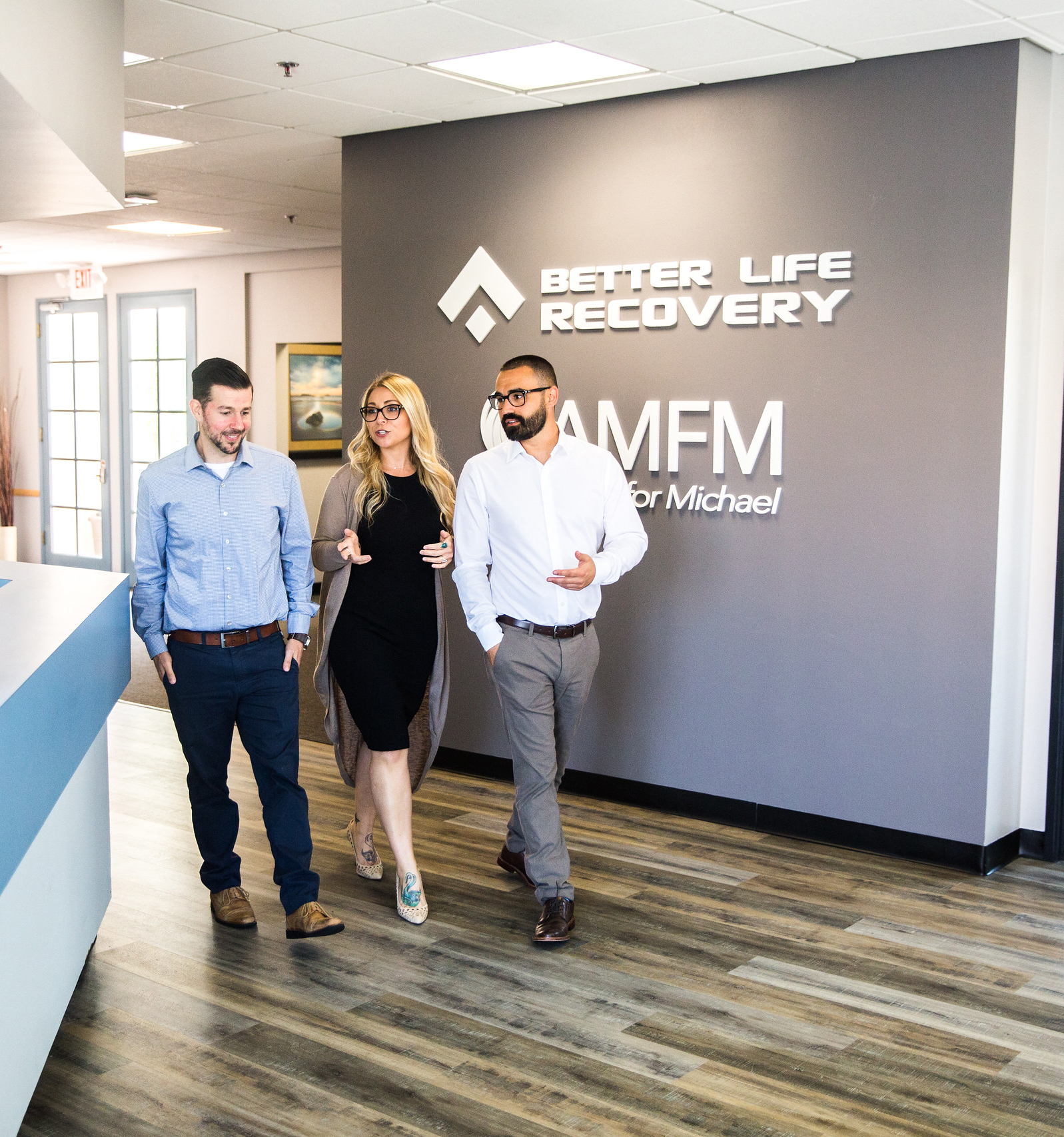
Our San Juan Capistrano facility offers confidential treatment for first responders in a discreet, private location, away from your department and community. If you have specific questions about confidentiality, call us. We’ll talk you through your situation honestly, with no pressures or obligations to commit.
Our Treatment Team
The ABLR clinical team brings together our board-certified psychiatrist with experience in treating PTSD and co-occurring disorders with licensed trauma therapists trained in EMDR. These professionals are paired alongside certified addiction counselors who know about the relationship between occupational stress and substance use.
Each member of the team has experience working with first responders and approaches their work without judgment and with knowledge about the culture they come from.
We also feature 24/7 nursing staff onsite at all times and a small, 1:2.5 staff-to-client ratio, so the people treating you learn about your story and track your progress throughout your stay.
Insurance & Admissions
A Better Life Recovery accepts nearly all major insurance plans offered to first responders throughout Southern California. Let us confidentially verify your coverage benefits for free. We handle the entire process with discretion and with no obligation to commit to anything until you’re ready.
For those in crisis or facing an urgent situation, same-day admission is available because waiting isn’t always an option. ABLR is ready and willing to move quickly to help you get things started.
We receive lots of calls just to ask what treatment looks like, what it might cost, how confidentiality works, and what happens next. Our admissions team understands the unique concerns first responders might be having during that initial talk, and they’ll be sure to meet you wherever you are.
We proudly serve adults across Orange County and Southern California, so if you’re ready to find out what’s possible in the recovery process, then reach out to our team today.
Frequently Asked Questions
If you’re a first responder considering mental health treatment, you may have some ongoing questions after the information provided on this page. The following answers to FAQs we commonly receive may help.
Will My Department Find Out I Went to Treatment?
They definitely won’t find out from us. Your treatment is protected by HIPAA and federal laws, meaning we don’t contact anyone without your expressed, written permission or as required by law.
If you’re using your department insurance, claims will only reflect that you received behavioral health services and not the specific nature of your treatment. Many first responders also use personal leave or FMLA to cover their time in treatment. We can help walk you through all the logistics confidentially before you make any decisions about your care.
Will Treatment Affect My Ability to Carry a Weapon or Maintain Certifications?
Seeking treatment voluntarily, in nearly all situations, always reflects better than leaving a problem unaddressed and the risks that accompany doing so. In other words, not addressing a problem is often more risky for your career.
Fitness-for-duty evaluations typically focus on your current level of functioning, and not your treatment history. Let us talk you through the details when you make your initial call. We can discuss your specific situation confidentially before you make any decisions.
Do You Treat Nurses and Other Healthcare Workers?
We do! Nurses often face many of the same work-related stressors as traditional first responders, and nurse addiction and mental health treatment at A Better Life Recovery uses the same trauma-informed, evidence-based approach.
I’ve Seen Things That Are Hard to Talk About. Do I Have to Share Everything?
Nothing is ever forced on you in treatment. Your therapist and clinical team work at your pace, and you get to decide what you’re ready to talk about and when.
Therapies like EMDR allow for your traumas to be processed without requiring you to explain them in detail. This can make them particularly valuable for those who have witnessed things that seem to be impossible to put into words.
Will Other Clients Understand What I’ve Been Through?
ABLR provides treatment for adults from all walks of life, and our staff understands first responder culture. We work to create an environment where your experiences are genuinely understood and respected, and where peer connections with others who share similar backgrounds or experiences are facilitated as often as possible in treatment.
References
- Baylor College of Medicine. (2025, October 27). The importance of first responder mental health. https://www.bcm.edu/news/the-importance-of-first-responder-mental-health
- Lewis-Schroeder, N. F., Kieran, K., Murphy, B. L., Wolff, J. D., Robinson, M. A., & Kaufman, M. L. (2018). Conceptualization, Assessment, and Treatment of Traumatic Stress in First Responders. Harvard Review of Psychiatry, 26(4), 216–227. https://doi.org/10.1097/hrp.0000000000000176
- Huang, G., Chu, H., Chen, R., Liu, D., Banda, K. J., O’Brien, A. P., Jen, H.-J., Chiang, K.-J., Chiou, J.-F., & Chou, K.-R. (2022). Prevalence of depression, anxiety, and stress among first responders for medical emergencies during COVID-19 pandemic: A meta-analysis. Journal of Global Health, 12(05028). https://doi.org/10.7189/jogh.12.05028
- CDC. (2026, March 2). Suicides Among First Responders: A Call to Action. NIOSH Science Bulletin. https://www.cdc.gov/niosh/bulletin/2021/suicides-first-responders.html
Begin Your Recovery Journey Today
Are you ready to reclaim your life? Taking the first step is often the hardest, but we make it simple. We offer multiple ways for you to begin your journey. You can:
- Schedule a free, confidential consultation
- Contact our Orange County rehab centre online or through our 24/7 helpline
- Arrange a private tour of the facility
- Verify your insurance coverage for free
Let us support you toward long-lasting recovery. Reach out to us today.
CONTACT NOW


info@abetterliferecovery.com

Address
30310 Rancho Viejo Rd.
San Juan Capistrano, CA, 92675
WE ARE FULLY LICENSED AND ACCREDITED