Cocaine Addiction Treatment
in Orange County, California
Cocaine is a central nervous stimulant that produces immediate euphoric effects, often leading to addiction. And when you try to withdraw from it, the symptoms of withdrawal, along with the urge to use the drug “just one more time,” make it a pretty uncomfortable experience.
A Better Life Recovery is a specialized drug rehab treatment program in Orange County that helps people with cocaine addiction. We treat both powder cocaine and crack cocaine addiction.
You can also receive dual diagnosis treatment for co-occurring mental health conditions such as depression, anxiety, trauma-related disorders, and so on, that may develop alongside cocaine use.
Our Joint Commission-accredited facility is located in San Juan Capistrano. We accept all major insurance providers that cover residential psychiatric care. Our team will also run a free, confidential insurance verification to help you understand your coverage benefits before starting treatment.
Contact us to learn how you can beat cocaine addiction starting from today.
Understanding Cocaine Addiction
Cocaine is a central nervous system stimulant that affects the brain’s reward system.
It blocks the dopamine transporter, which causes dopamine to build up in your brain and, consequently, overstimulates nerve cells responsible for pleasure. This rapid increase in dopamine creates an intense sense of euphoria, giving you an extreme urge to keep relying on it in the future.
But although the euphoric effects of cocaine are intense, they are short-lived. This short duration is what leads to its repeated use in a short window, which is typically called “binge use.”
Further, cocaine withdrawal primarily affects your mood. The withdrawal phase makes you experience a low mood and fatigue as your brain adjusts to reduced dopamine activity.2 Therefore, you may need professional psychosocial support based on evidence-based treatment approaches to stabilize your brain function after cocaine withdrawal.

Types of Cocaine Addiction We Treat
Both powder cocaine and crack cocaine act on the same brain systems. However, the mode of usage for both forms of the drug is different, and therefore, the duration of their effects also varies. But the core treatment approach for both remains the same. Let’s look at how usage and effects of both forms of cocaine can differ.
Powder Cocaine
Powder cocaine is used either by snorting it through the nose or dissolving it in liquid for injection. If you snort it, the drug enters your bloodstream gradually, producing a high that lasts longer than smoked forms.
This form of ingestion can make you feel energized and alert for around 15–30 minutes, depending on the dose and method. For this reason, repeated use of powder cocaine in a short time frame is quite common, as the effect of the drug on your brain fades relatively quickly. Powder cocaine is often used in social or recreational settings in the United States.
Crack Cocaine
Crack cocaine is the smoked form of cocaine. Smoking delivers the active drug component of cocaine to your brain tissue within seconds, which produces an immediate, intense dopamine surge.
The fast delivery raises the likelihood of addiction because the brain strongly associates the drug with reward. The high from crack cocaine is very brief, about five minutes. And, since its duration of action is short, people may smoke it multiple times in a single session.3
The rapid rise and fall of dopamine levels in the brain can make you experience intense psychological reinforcement. Unfortunately, long-term crack cocaine use is associated with respiratory damage due to inhalation.
Signs of Cocaine Addiction
The signs of cocaine addiction include physical changes in your body, emotional changes, and some behavioral effects.
The physical signs of excessive cocaine use include:
- Noticeable weight loss
- Enlarged pupils
- Frequent nosebleeds from snorting
- Burns on the lips and fingers associated with smoking crack cocaine
You may also notice other signs, such as:
- A large portion of your time becoming centered around finding cocaine and using it
- Making efforts to reduce your cocaine use bringing you anxiety
- Your responsibilities at work or home starting to slip
- Feeling compelled to use cocaine even when it is straining your relationships
- Clear health concerns you can easily recognize not stopping you from repeated cocaine use
- The same amount of cocaine no longer producing the desired effect, leading you to take higher doses over time.
- Feeling fatigued, low, hungry, and so on, if you can’t get the drug
Our Cocaine Addiction Treatment Approach
There are no FDA-approved medications for cocaine addiction, unlike opioids or alcohol. Therefore, current treatment regimens consist of only evidence-based behavioral therapies. These include the following.
Cognitive Behavioral Therapy (CBT)
CBT is probably the most used therapeutic approach in psychiatry. The core of CBT is to identify the specific triggers and high-risk situations that cause your cocaine use. Once you have these triggers identified, you can start to break your cycle of use and relapse.
CBT also provides you with coping strategies that reduce the intensity of urges. Plus, if need be, you may be offered alternatives to substance use.
Research found that those on CBT while on a methadone maintenance treatment program report fewer days of cocaine use compared to baseline.4
Contingency Management (CM)
It helps you feel motivated after every milestone you achieve in your treatment journey, no matter how small this milestone may be. Your positive actions are reinforced by small rewards that keep you pumped for maintaining abstinence and attending your therapy sessions. The efficacy of contingency management is found to be better than CBT during treatment.4
Motivational Enhancement Therapy (MET)
During MET, you learn to identify your own reasons for change. It is particularly helpful for ambivalence about recovery, which is the state in which you feel pulled between wanting to stop and wanting to continue using. Plus, a large multisite study found that motivational interviewing approaches improve treatment engagement in people with substance use disorders.5
And another trial on cocaine addiction led to greater cocaine use reductions after MET among people with heavier baseline use.6
Additional Therapies
Our treatment program also includes many other types of therapies, such as:
- Dialectical behavior therapy (DBT): Where you develop your skills for emotional regulation and distress tolerance.
- Eye Movement Desensitization and Reprocessing (EMDR): Which is used to address underlying trauma that may contribute to substance use.
- Group therapy: Which provides a structured environment where you connect with others in recovery.
- Family therapy: This involves your family members in your treatment as your support system.
- 12-step facilitation and SMART Recovery: Frameworks we use to support your long-term sobriety.
Cocaine Withdrawal and Stabilization
Active cocaine use causes an intense buildup of dopamine in the reward pathways of your brain. If you stop using it suddenly, the dopamine activity in the brain drops below normal levels, which typically produces withdrawal symptoms.
Cocaine withdrawal is not very dangerous medically, but its psychological effects are intensely uncomfortable. These effects can be divided into:
-
- The crash phase, which begins within a few hours after your last cocaine use and continues for 2-3 days. During this phase, you may experience exhaustion, excessive sleep, low mood, and an increase in your appetite as the stimulant effect wears off.
- The withdrawal phase continuing for several weeks. During this time, you may feel persistent cravings for cocaine, along with irritability, anxiety, difficulty concentrating, and anhedonia (not feeling pleasure from activities you used to like).
- The extinction phase, which is known for the long-term cravings for cocaine, though less frequent, and is most likely associated with environmental cues.
A Better Life Recovery provides 24/7 monitoring and care during the first two phases of withdrawal when you are in residential treatment. You also learn evidence-based techniques to reduce the frequency and intensity of your cravings in the extinction phase that occurs after your treatment program completes.
Cocaine Addiction and Co-Occurring Disorders
National data indicate that nearly 50% of people with a substance use disorder also experience a co-occurring mental health condition at some point in their lives.7
Since the chemistry of the brain is altered, you are more likely to develop other mental health problems that arise from an imbalance of brain chemicals.
Common disorders co-occurring with cocaine addiction include:
-
- Depression, as reduced dopamine activity in the brain contributes to a persistent low mood and loss of motivation
- Anxiety symptoms as the stimulant effects of cocaine intensify underlying concerns
- Bipolar disorder, as people may use cocaine during depressive episodes of bipolar disorder to elevate their mood, and during manic phases, as part of impulsive behavior patterns
- Acute stress, post-traumatic stress disorder, and other trauma-related conditions, as some people use cocaine to blunt the symptoms of these issues
- Attention-deficit/hyperactivity disorder (ADHD), as those with it may use cocaine to manage their inattention
- Alcohol use disorder co-exists very commonly with cocaine use. The combination of cocaine and alcohol creates cocaethylene, a compound that increases the strain on your heart and liver.
Our Cocaine Addiction Treatment Team
Treatment for cocaine addiction at A Better Life Recovery is led by a board-certified psychiatrist. The psychiatrist will perform a thorough evaluation and oversee the medications you will be taking in your detox phase.
Besides this support, we have different licensed therapists for individual and group therapy sessions. They include:
-
- Licensed clinical social workers (LCSWs) who will help you understand the connection between your environment and substance use, along with practical coping strategies
- Certified addiction counselors with expertise in relapse prevention for cocaine addiction.
- Licensed marriage and family therapists (LMFTs) to help you fix your family dynamics that are affected due to cocaine addiction
- Licensed professional counselors (LPCs) who work with you on emotional regulation
Our facility also has nursing staff available 24/7 to monitor all admitted people. They are there to provide immediate response to your physical or psychological needs while you are in therapy.
We maintain a 1:2.5 staff-to-client ratio, which allows for personalized attention for every client throughout their treatment course.
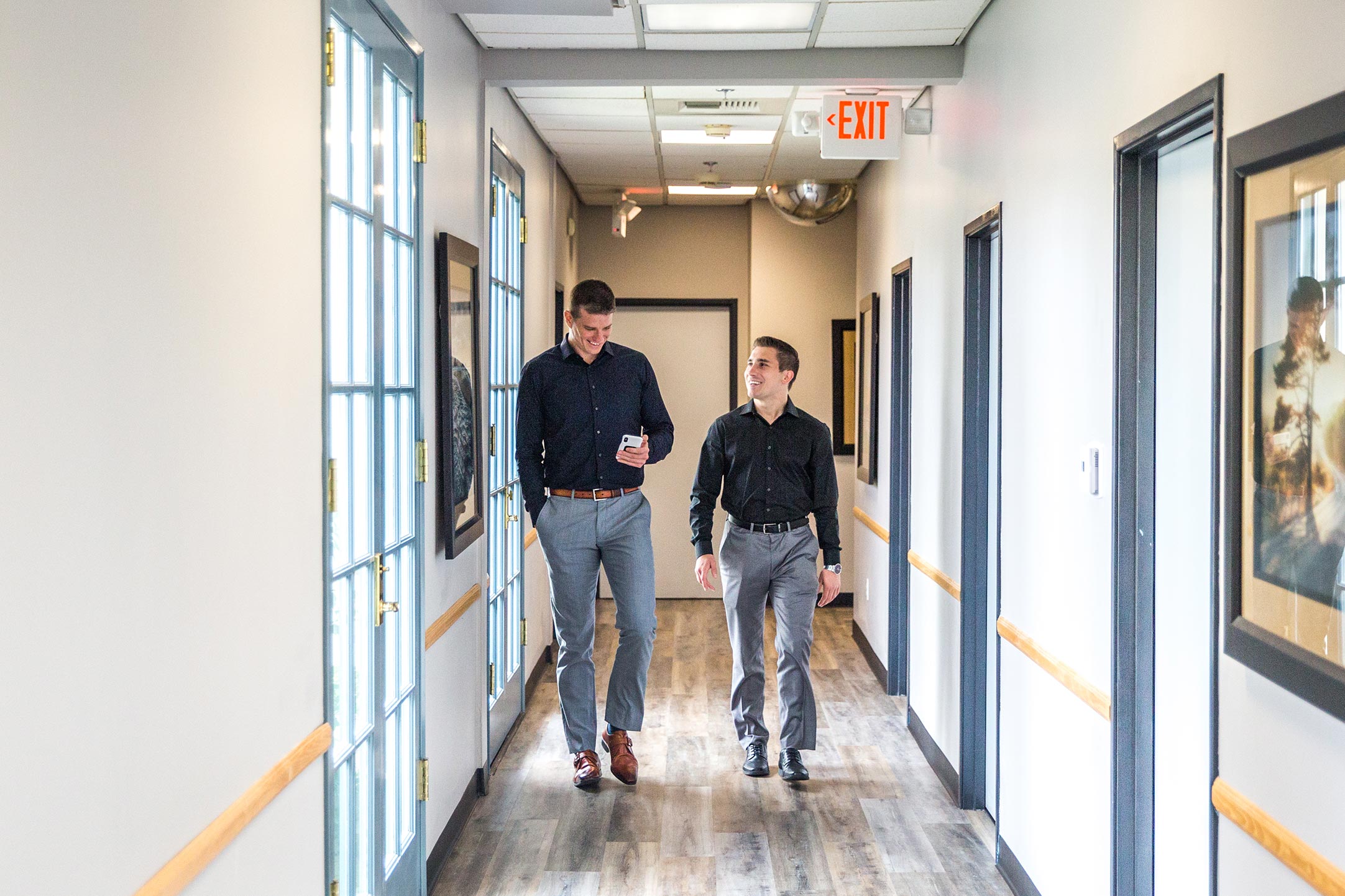

What to Expect in Cocaine Addiction Treatment
Our cocaine addiction treatment program follows a structured timeline. Your treatment will begin with a comprehensive clinical evaluation during which a physician will review your cocaine use habits and past medical and mental health history.
The residential treatment program runs for 30-90 days. Initially, we will focus on the immediate stabilization of your withdrawal symptoms. But as the treatment progresses, you will learn relapse prevention techniques for better long-term recovery outcomes.
Your average day in treatment will consist of:
- Medication management for any co-existing psychiatric diagnoses
- Daily therapy in the form of individual counseling, group therapy, and structured skill-building sessions
- Family education and therapy sessions
- Relapse prevention plans
Towards the end of your program, we will also make you an aftercare plan consisting of your future care recommendations and connections to support groups.
About Our Insurance & Admissions
The Mental Health Parity and Addiction Equity Act requires insurance providers in the United States to cover cocaine addiction at the same level as physical medical conditions.
A Better Life Recovery accepts almost all major insurance plans. We are in-network with:
- Anthem, Blue Cross Blue Shield, First Health, Humana, HMC Healthworks, Coventry Healthcare of Dela, ComPsych, HealthNet, MHN Health Net Company
Our admissions team can complete a free, confidential insurance verification for you to understand exactly what your policy covers before you begin treatment.
When you decide to begin your treatment, our team will handle the required paperwork and prior authorizations on your behalf.
We serve people across Orange County and throughout Southern California, including San Juan Capistrano, Laguna Beach, Irvine, Newport Beach, Anaheim, Santa Ana, and nearby communities.
Frequently Asked Questions About Cocaine Treatment
If you’re considering cocaine addiction treatment in Orange County, you may have some continuing questions. To help, we’ve provided answers to FAQs we commonly receive.
Is There Medication for Cocaine Addiction?
Currently, there are no FDA-approved medications for cocaine addiction, unlike opioids or alcohol. So, the treatment uses only behavioral therapies, which are highly effective.
However, we may use medications to treat any co-occurring conditions like depression or anxiety, or to manage your withdrawal symptoms.
How Long Does Cocaine Addiction Treatment Take?
We recommend 60–90 days for cocaine addiction treatment due to the protracted withdrawal period. Your brain’s reward system needs time to heal. Although shorter stays of up to 30 days are possible, longer treatment is associated with better outcomes for stimulant addiction.
Do You Treat Crack Cocaine Addiction?
Yes. We treat both powder cocaine and crack cocaine addiction. The treatment approach is the same since both respond to behavioral therapies like CBT, contingency management, and motivational enhancement therapy.
What Does Cocaine Withdrawal Feel Like?
Cocaine withdrawal is primarily psychological. The initial “crash” includes exhaustion, depression, and increased sleep. Over the following weeks, people may also experience intense cravings, irritability, difficulty feeling pleasure (anhedonia), anxiety, and concentration problems.
Can I Recover From Cocaine Addiction Without Inpatient Treatment?
Some people do recover with outpatient treatment, but residential treatment is recommended for cocaine addiction because it removes you from triggers and the environment associated with use. The intense cravings in early recovery make relapse very common without 24/7 support.
Does Insurance Cover Cocaine Addiction Treatment?
Yes. Under the Mental Health Parity Act, insurance plans must cover substance use disorder treatment similarly to other medical conditions. Most major insurance plans cover cocaine addiction treatment, including detox, residential treatment, and therapy. You can call us for a free insurance verification.
References
- National Center for Drug Abuse Statistics. (2025). NCDAS: Substance Abuse and Addiction Statistics [2020]. National Center for Drug Abuse Statistics. https://drugabusestatistics.org/
- Gawin, F. (1991). Cocaine addiction: psychology and neurophysiology. Science, 251(5001), 1580–1586. https://doi.org/10.1126/science.2011738
- Òscar Miró, Dargan, P. I., Dines, A. M., Yates, C. J., Heyerdahl, F., Knut Erik Hovda, Giraudon, I., & Galicia, M. (2019). Epidemiology, clinical features and management of patients presenting to European emergency departments with acute cocaine toxicity: comparison between powder cocaine and crack cocaine cases. Clinical Toxicology, 57(8), 718–726. https://doi.org/10.1080/15563650.2018.1549735
- Rawson, R. A., Huber, A., McCann, M., Shoptaw, S., Farabee, D., Reiber, C., & Ling, W. (2002). A Comparison of Contingency Management and Cognitive-Behavioral Approaches During Methadone Maintenance Treatment for Cocaine Dependence. Archives of General Psychiatry, 59(9), 817. https://doi.org/10.1001/archpsyc.59.9.817
- Carroll, K. M., Ball, S. A., Nich, C., Martino, S., Frankforter, T. L., Farentinos, C., Kunkel, L. E., Mikulich-Gilbertson, S. K., Morgenstern, J., Obert, J. L., Polcin, D., Snead, N., & Woody, G. E. (2006). Motivational interviewing to improve treatment engagement and outcome in individuals seeking treatment for substance abuse: A multisite effectiveness study. Drug and Alcohol Dependence, 81(3), 301–312. https://doi.org/10.1016/j.drugalcdep.2005.08.002
- Stein, M. D., Herman, D. S., & Anderson, B. J. (2009). A motivational intervention trial to reduce cocaine use. Journal of Substance Abuse Treatment, 36(1), 118–125. https://doi.org/10.1016/j.jsat.2008.05.003
- National Institute on Drug Abuse. (2020). Common comorbidities with substance use disorders research report. In PubMed. https://www.ncbi.nlm.nih.gov/books/NBK571451/
Begin Your Recovery Journey Today
Are you ready to reclaim your life? Taking the first step is often the hardest, but we make it simple. We offer multiple ways for you to begin your journey. You can:
- Schedule a free, confidential consultation
- Contact our Orange County rehab centre online or through our 24/7 helpline
- Arrange a private tour of the facility
- Verify your insurance coverage for free
Let us support you toward long-lasting recovery. Reach out to us today.
CONTACT NOW


info@abetterliferecovery.com

Address
30310 Rancho Viejo Rd.
San Juan Capistrano, CA, 92675
WE ARE FULLY LICENSED AND ACCREDITED