Benzodiazepine Addiction Treatment in Orange County, California
Benzodiazepines are commonly prescribed for the management of a variety of conditions, including treating anxiety. However, this class of drugs carries risk for dependence and misuse.
A Better Life Recovery has a benzodiazepine addiction treatment center in San Juan Capistrano, Orange County. We offer a comprehensive, evidence-based approach to benzodiazepine dependence treatment.
We are a fully licensed, accredited facility, recognized by the Joint Commission International and the State Department Healthcare Services.
Our approach to benzo addiction treatment consists of diverse methods, including medication management, therapy, physical health and exercise programs, and reintegration services. Further, our medically supervised benzo detox enables you to safely eliminate the drug from your body within a controlled environment. This can minimize the risk of medical complications.
On this page, you’ll find everything you need to know about our benzo rehab program and how we can ensure you get back to life after detox.
Our Orange County Benzo Rehab Program
The problem with benzo withdrawal is that it can be physically dangerous and emotionally demanding if handled incorrectly. People can have seizures, severe anxiety, and protracted symptoms.
Our Orange County benzo rehab program is a safe, medically guided path off benzodiazepines. We never rush or “cold-turkey” you, and provide evidence-based, expert support every step of the way. In the following sections, we explore the type of support you’ll receive in our facility.
Evidence-Based, Medically-Supervised Care
Our detox program is medically supervised with gradual, individualized tapering carried out under board-certified psychiatry doctors.
You’ll receive 24/7 clinical monitoring and support during your most vulnerable days, which will include:
- Continuous nursing and medical availability, with licensed professionals on-site at all times.
- Frequent symptom checks, including vitals, withdrawal severity, hydration, sleep patterns, and psychological stability.
- Immediate access to psychiatric evaluation, so that medication adjustments and safety interventions can happen the moment they’re needed.
- Ongoing observation where you’re monitored not just medically but also emotionally.

Experienced, Licensed Clinical Team
A board-certified psychiatrist is always on-site and leads each client’s medication plan. They work hand in hand with our licensed clinical staff, which includes:
- Clinical social workers
- Marriage and family therapists
- Psychiatric mental health nurse practitioners
- Certified alcohol and drug counselors
We keep a small staff-to-client ratio of 1:2.5 to allow for frequent, personal contact. This is because close supervision reduces the risk of severe withdrawal and improves engagement in follow-up treatment.1
We are also accredited by the Joint Commission, widely recognized as the premier accrediting organization for behavioral health care in the United States.2 When a behavioral health facility earns Joint Commission accreditation, it signifies a true “gold standard” of care.
Individualized Treatment
A lot of patients coming to benzo rehab also struggle with anxiety, depression, insomnia, or trauma. We treat dual diagnoses simultaneously, so your psychiatric symptoms are managed well while we taper you off benzos. This integrated model is supported by addiction and psychiatry research as a “best practice.”3 So, if you have a dual diagnosis, you can rest assured that your needs will be comprehensively cared for.
Medication management for benzo addiction is complemented with evidence-based therapies like:
- Cognitive behavioral therapy (CBT)
- Cognitive processing therapy (CPT)
- Dialectical behavior therapy (DBT)
- Trauma-focused approaches, such as eye movement desensitization and reprocessing (EMDR)
Clinical reviews show that combining CBT or trauma therapies with careful medical tapering improves outcomes.4
Benzo Detox and Withdrawal Management in Orange County
When you’ve been using benzos for a while, your brain gets used to them. Therefore, suddenly stopping (or “cold-turkeying”) these drugs can trigger severe withdrawal symptoms. Examples include seizures, hallucinations, delirium, or life‑threatening reactions.
Because of these risks, withdrawal must always be medically supervised. In a detox environment, you receive 24/7 monitoring by trained medical staff who can respond immediately if any complications arise. Your vital signs, neurological status, and mental health are continuously observed.
We also follow gradual tapering protocols based on your dose, benzodiazepine type (long‑ or short‑acting), how long you’ve used it, and other health factors. This approach is backed by research, as gradual dose reductions show better success over many weeks in comparison to abrupt cessation.5
The program consists of an extended detox timeline of 1–4 weeks, or longer as needed. During this time, we use medication management and supportive care to ease your withdrawal symptoms.
Our goal is to make the transition from detox to residential treatment smooth. Once your withdrawal is managed and you are medically stable, we help you begin the next phase of recovery in a supportive environment designed to help you stay sober in the future.
Benzodiazepines We Treat
We understand how scary it is when a medication meant to treat you becomes something you feel you cannot live without.
Benzos work by amplifying the effects of a natural brain chemical called “gamma‑aminobutyric acid” (GABA). This normally acts as a “brake” on over-excited brain activity. Benzos increase the activity of GABA, so your brain cells are less likely to fire. That leads to calming, sedating, anxiety-reducing, and sleep-inducing effects.
However, long-term use of benzos leads to tolerance and dependence. Over time, your brain responds to use by reducing the effect of receptors they act at, so you need higher doses to get the same effect.6
Additionally, research shows that benzos also affect your dopamine-producing neurons.7 Dopamine is the “feel-good” signal involved in addiction to other substances. Therefore, repeated use can encourage compulsive drug-seeking behavior.
At A Better Life Recovery, we treat dependence on a wide range of benzodiazepines, including:
- Xanax (alprazolam)
- Valium (diazepam)
- Klonopin (clonazepam)
- Ativan (lorazepam)
- Librium (chlordiazepoxide)
- Halcion (triazolam)
- Other prescription sedatives used for anxiety, insomnia, or muscle relaxation
What to Expect at Our Orange County Benzo Treatment Center
The following is an overview of what you will find at our benzo addiction treatment center in Orange County.
Comprehensive Assessments
- Your complete medical history, such as past illnesses, injuries, physical health conditions, current medications, and any biological issues.
- When benzodiazepines (or other substances) were first used.
- How the use has changed over time in terms of frequency, dosage, and duration.
- Whether benzos were used for sleep, stress, anxiety, or other reasons.
- Any underlying mental health conditions, like anxiety, depression, trauma, insomnia, or other disorders.
- Your living situation, family support or stressors, work, and relationships.
Personalized Detox and Taper Plan
We will never place you on a generic detox schedule that doesn’t reflect what your body needs. The Ashton Manual, one of the most widely cited clinical references for benzo withdrawal, emphasizes that tapers must be customized and flexible.9
Therefore, once your assessment is complete, you will get a personalized detox and taper plan designed around your history and your symptoms. Gradual, individualized tapering is the safest method for benzodiazepine withdrawal.
There are several well-established methods for tapering off benzodiazepines safely, such as:
- Gradually reducing the dose of your current benzodiazepine.
- Switching to a longer-acting benzodiazepine for a steadier taper.
- Using supplemental, non-addictive medications to reduce withdrawal symptoms.
Outpatient tapers generally move more slowly to maintain safety. Plus, people on higher doses can often handle larger reductions than those on lower doses. The taper begins with a reduction of about 5% to 25%, followed by additional 5% to 25% decreases every one to four weeks based on your circumstances.10
Transition into Residential Treatment
Detox alone isn’t enough to stabilize the brain after benzodiazepine dependence. People who move directly from detox into structured residential treatment have a significantly lower risk of relapse.
In residential treatment, you continue receiving structured, round-the-clock care as your body and mind stabilize from benzo withdrawal. Residential care provides the environment your brain needs to recover from the changes caused by long-term benzodiazepine use.
You’ll also receive ongoing symptom monitoring, therapy multiple times per day, medication adjustments as needed, and consistent emotional support.
Therapeutic Services
Research shows that a combination of behavioral therapies and skill-building improves treatment engagement.11
Our services are divided into categories like:
- Evidence-based therapy, including CBD, trauma-focused therapy, motivational enhancement, mindfulness-based practices, and relapse-prevention work.
- Exercise and physical health support, which includes fitness, outdoor activity, and strength-building.
- Reintegration services that help you rebuild your life with purpose. For instance, you might work on communication skills, goal setting, emotional regulation, financial literacy, and other tools that empower you to thrive long after treatment.
Long-Term Relapse Prevention
Many people in early recovery aren’t fully prepared for the routines and responsibilities of everyday life. We believe that you deserve steady support through your recovery, so we offer:
- Legal guidance and referrals for those facing court cases, probation requirements, or a difficult legal history.
- Employment support, including help with résumés, job searches, vocational referrals, and interview preparation.
- Assistance with barriers related to a criminal record, including realistic strategies for overcoming hiring obstacles.
- Family and relationship support.
- Social reintegration coaching, for example, how to form supportive connections, avoid high-risk environments, and participate in your community through genuine interactions.
- Life-skills development, such as managing finances, maintaining routines, organizing daily responsibilities, and problem-solving under stress.
It’s very common to feel unsure about how to build a stable, hopeful life after tapering off benzos. We don’t expect you to already know how to do everything. We teach you and support you while you relearn how to become independent at navigating the world sober.
Comfort and Amenities
Our treatment center in Orange County is located in one of the most serene parts of the country with year-round sun, ocean air, nearby beaches, and peaceful hills. It has earned its reputation as a nationally recognized “recovery destination.”
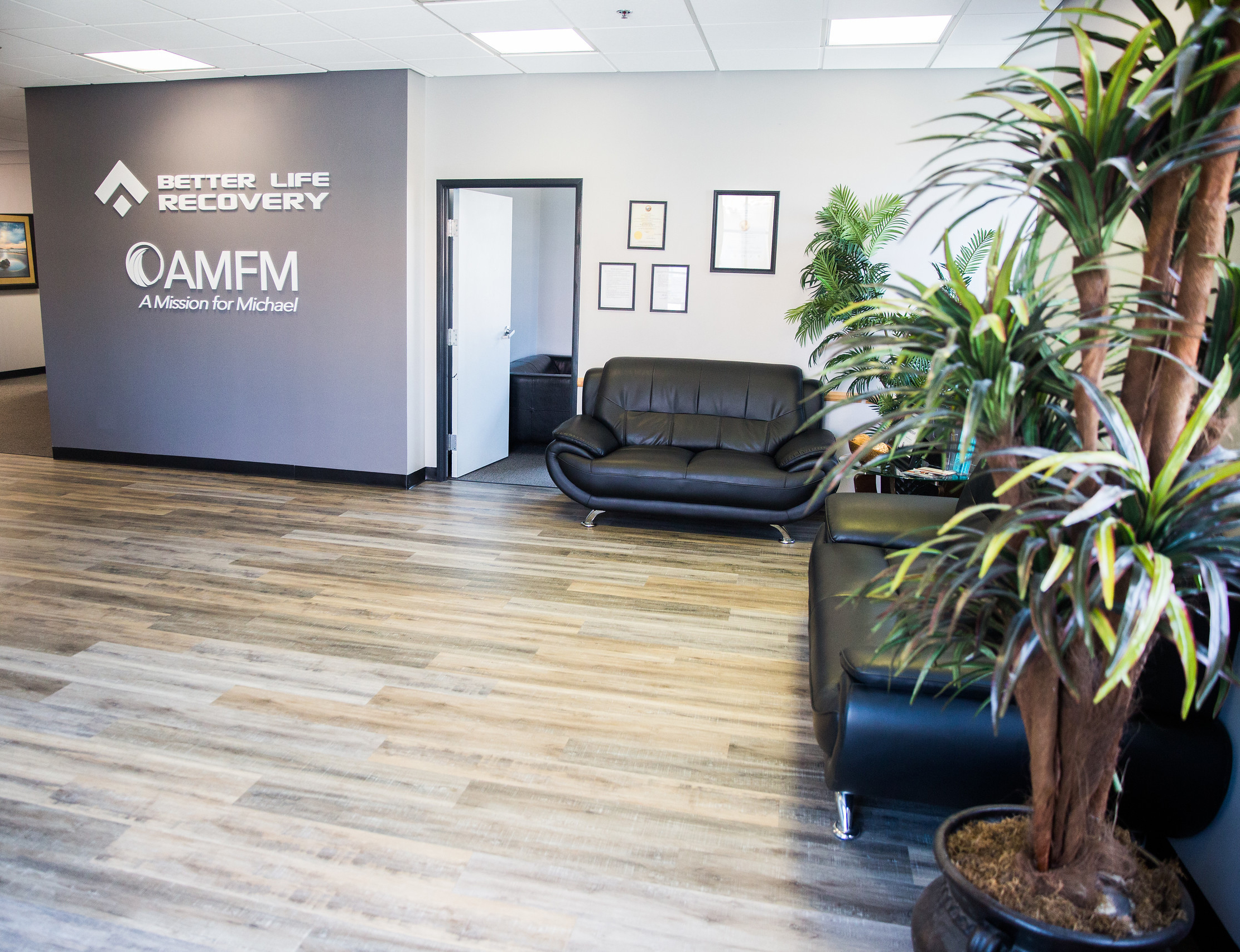
Our comfortable, home-like living spaces help you feel grounded. The residences are clean and well-maintained with peaceful décor and restorative common areas. There are also multiple outdoor spaces for reflection, relaxation, and movement.
The location also makes access to local recovery communities in the surrounding area very convenient.
Insurance and Admissions
A Better Life Recovery serves all of Orange County, including Irvine, Newport Beach, Costa Mesa, Laguna Beach, Huntington Beach, Anaheim, Santa Ana, and San Juan Capistrano.
Further, we are “in-network” with a wide range of insurance carriers, such as:
- Anthem (all Anthem policies)
- Blue Cross Blue Shield (all BCBS plans for addiction treatment)
- First Health Network
- Humana
- HMC HealthWorks
- Coventry Health Care of Delaware
- ComPsych
- MHN Health Net
To help you financially plan for treatment, we provide free, confidential insurance verification. Our admissions team will check your policy details for free and explain what portion of detox/residential treatment is covered, and what (if any) out-of-pocket costs you may face.
Treatment for substance-use disorders, including medically supervised detox, residential rehab, outpatient therapy, medication-assisted care, and aftercare, is a necessary health service.
Therefore, the Affordable Care Act (ACA) and the Mental Health Parity and Addiction Equity Act (MHPAEA) ensure that private insurance plans cover addiction treatment similarly to other medical conditions.12
Reach out to us today if you’re ready to claim your life back from benzodiazepines.
Frequently Asked Questions
If you’re considering treatment for benzodiazepine dependence, it’s normal to have some ongoing questions or concerns. For this reason, we’ve provided some answers to FAQs about treatment.
How Long Does Benzo Detox Take?
Benzo detox lasts 1–4 weeks. The exact duration is based on your dosage, how long you’ve been using, your specific medication, and your medical stability. People with high-dose use typically require a slower, extended taper lasting several weeks.
Can I Quit Benzos Cold Turkey?
Ideally, you should not. Quitting benzodiazepines abruptly can cause life-threatening seizures, severe anxiety, insomnia, panic attacks, and hallucinations. For this reason, supervised detox is usually considered the safest option.
What Are Benzo Withdrawal Symptoms?
Benzodiazepine withdrawal symptoms include severe anxiety, panic attacks, insomnia, irritability, tremors, sweating, nausea, headaches, muscle pain, hallucinations, and, in severe cases, seizures.
Do You Treat the Underlying Anxiety or Insomnia?
Yes. Our treatment addresses the underlying causes of benzodiazepine use, including anxiety, insomnia, depression, and trauma, through therapy and appropriate, non-addictive medications.
Is Benzo Addiction Covered by Insurance?
Yes. Most major insurance plans cover benzodiazepine addiction. We offer free, confidential insurance verification to help you understand your benefits and any potential out-of-pocket costs before starting treatment.
References
- Affeldt, J. E. (1961). Staffing Ratios in a Rehabilitation Program. California Medicine, 95(4), 243–245. https://pubmed.ncbi.nlm.nih.gov/18732445/
- Patterson, C. H. (1995). Joint Commission on Accreditation of Healthcare Organizations. Infection Control and Hospital Epidemiology, 16(1), 36–42. https://doi.org/10.1086/647001
- Reid Finlayson, A. J., Macoubrie, J., Huff, C., Foster, D. E., & Martin, P. R. (2022). Experiences with benzodiazepine use, tapering, and discontinuation: an Internet survey. Therapeutic Advances in Psychopharmacology, 12, 204512532210823. https://doi.org/10.1177/20451253221082386
- Brunner, E., Chen, C.-Y. A., Klein, T., Maust, D., Mazer-Amirshahi, M., Mecca, M., Najera, D., Ogbonna, C., Rajneesh, K. F., Roll, E., Sanders, A. E., Snodgrass, B., VandenBerg, A., Wright, T., Boyle, M., Devoto, A., Framnes-DeBoer, S., Kleykamp, B., Norrington, J., & Lindsay, D. (2025). Joint Clinical Practice Guideline on Benzodiazepine Tapering: Considerations When Risks Outweigh Benefits. Journal of General Internal Medicine. https://doi.org/10.1007/s11606-025-09499-2
- Chapoutot, M., Meloni, F., Peter-Derex, L., Bastuji, H., Leslie, W., Schoendorff, B., Heinzer, R., Nicolas, A., Higgins, S., Bourgeois, A., Vallet, G. T., Anders, R., Ounnoughene, M., Siclari, F., Khazaal, Y., & Putois, B. (2025). A narrative review of strategies for discontinuing long-term benzodiazepine use and methodological recommendations: Is a success rate of only one in three patients sufficient? Journal of Behavioral and Cognitive Therapy, 35(3), 100533. https://doi.org/10.1016/j.jbct.2025.100533
- Michelini, S., Cassano, G., Frare, F., & Perugi, G. (2007). Long-Term use of Benzodiazepines: Tolerance, Dependence and Clinical Problems in Anxiety and Mood Disorders. Pharmacopsychiatry, 29(04), 127–134. https://doi.org/10.1055/s-2007-979558
- Tan, K. R., Brown, M., Labouèbe, G., Yvon, C., Creton, C., Fritschy, J.-M., Rudolph, U., & Lüscher, C. (2010). Neural bases for addictive properties of benzodiazepines. Nature, 463(7282), 769–774. https://doi.org/10.1038/nature08758
- American Psychiatric Association. (2024). DSM-5-TR Online Assessment Measures. Psychiatry.org; American Psychiatric Association. https://www.psychiatry.org/psychiatrists/practice/dsm/educational-resources/assessment-measures
- Benzodiazapene Information Coalition. (n.d.). Ashton Manual. Benzodiazepine Information Coalition. https://www.benzoinfo.com/ashtonmanual/
- Ogbonna, C. I., & Lembke, A. (2017). Tapering Patients Off of Benzodiazepines. American Family Physician, 96(9), 606–608. https://www.aafp.org/pubs/afp/issues/2017/1101/p606.html?utm_source=chatgpt.com
- Opland, C., & Torrico, T. J. (2024, November 13). Behavioral Therapy. Nih.gov; StatPearls Publishing. https://www.ncbi.nlm.nih.gov/books/NBK609098/
- Frank, R. G., Beronio, K., & Glied, S. A. (2014). Behavioral Health Parity and the Affordable Care Act. Journal of Social Work in Disability & Rehabilitation, 13(1-2), 31–43. https://doi.org/10.1080/1536710x.2013.870512
Begin Your Recovery Journey Today
Are you ready to reclaim your life? Taking the first step is often the hardest, but we make it simple. We offer multiple ways for you to begin your journey. You can:
- Schedule a free, confidential consultation
- Contact our Orange County rehab centre online or through our 24/7 helpline
- Arrange a private tour of the facility
- Verify your insurance coverage for free
Let us support you toward long-lasting recovery. Reach out to us today.
CONTACT NOW


WE ARE FULLY LICENSED AND ACCREDITED