Opioid Addiction Treatment in Orange County, California
There’s no doubt that facing an opioid addiction can be incredibly trying and difficult – but opioid use disorder is also inherently treatable. A Better Life Recovery, located in San Juan Capistrano, offers wraparound opioid addiction treatment that’s built around evidence-based care. This includes medical detox and withdrawal management, medication-assisted treatment, and clinical care that addresses each aspect of your personhood.
Our facility operates 24 hours a day, seven days a week, with a board-certified psychiatrist and clinical staff on hand to work with you. We use Suboxone and Vivitrol as part of our MAT program in Orange County, helping you reduce cravings and improve long-term outcomes.
ABLR is also Joint Commission-accredited, which reflects our ongoing commitment to clinical excellence and client care. If you or someone you care about is looking to start the recovery process, call us at (866) 278-8804 for a free assessment to help you figure out your next steps.
This page can also help you understand our opioid addiction treatment program, exploring the opioid addictions we treat, how we manage withdrawal, and the therapy modalities we use.
Opioid Addictions We Treat
A Better Life Recovery proudly treats the full spectrum of opioid use disorders, including prescription painkillers and illicit substances.
Below is a list of the opioids we can help you recover from:
Prescription Opioids
- OxyContin (oxycodone)
- Vicodin (hydrocodone)
- Percocet (oxycodone/acetaminophen)
- Morphine
- Codeine
- Dilaudid (hydromorphone)
- Fentanyl patches (prescription)
Illicit Opioids
- Heroin
- Illegally-obtained fentanyl and fentanyl-based analogs
- Counterfeit pills containing fentanyl
Opioid Detox & Withdrawal Management
Without the appropriate medical support, opioid withdrawal can be both extremely uncomfortable and potentially dangerous.1 That’s why our opioid detox in Orange County puts you in the care of licensed nurses and astute clinical staff to help you around the clock, every hour of every day.
We utilize medications to help manage your withdrawal symptoms directly. This reduces the physical distress that can drive people back to active use before they’ve had a chance to stabilize and continue the recovery process. What’s more, our San Juan Capistrano facility is welcoming and controlled, designed to make the process as easy and manageable as possible.
Most people complete opioid withdrawal treatment within five to seven days before transitioning into residential treatment. In residential treatment, you move forward with a clinical team that’s already gotten to know you and is wholly invested in your care.
Medication-Assisted Treatment (MAT) for Opioids
Medication-assisted treatment (MAT) combines Food and Drug Administration-approved medications with ongoing therapy and clinical support to improve the healing process from substance misuse. Research has shown that MAT produces excellent outcomes, including fewer relapses, a lower risk of overdose, and stronger long-term recovery rates.2
MAT works by directly addressing the neurological side of opioid dependence. Cravings and withdrawal symptoms can be difficult to deal with, and these medications give your brain the stability it needs to engage in treatment as fully as possible.
Medications We Offer
Medications We Offer
Suboxone (buprenorphine and naloxone) is administered daily and works in two ways: it reduces cravings and blocks the effects of other opioids on your system. It’s one of the most widely studied and used tools in opioid use disorder treatment.
Vivitrol (naloxone) is a once-monthly injection that blocks opioid receptors. It carries no risk of misuse potential and works well for people looking for a non-opioid-based option after the detoxification process is complete.
Our Opioid Treatment Approach
MAT and the detox process help to stabilize the body, but therapy is where your recovery truly starts to flourish. The ABLR clinical team draws on several evidence-based modalities during the inpatient treatment process, matching the approach to your unique needs and goals. Our available therapy options include:
- Cognitive behavioral therapy (CBT): CBT helps you identify the thought patterns and triggers underlying ongoing opioid use, working to build new practical skills to increase your insight and form new response patterns going forward.
- Dialectical behavioral therapy (DBT): Dialectical behavioral therapy builds up your emotional regulation skills and ability to tolerate stress, along with working to increase your interpersonal effectiveness – all critical skills in the healing process.
- Eye Movement Desensitization and Reprocessing (EMDR) Therapy: EMDR helps you to address unresolved trauma, which often goes hand in hand with opioid dependence, processing difficult memories while guarding against active retraumatization.
- Motivational enhancement therapy: This therapeutic modality strengthens your internal, personal motivations for change, instead of relying on external pressure and consequences.
- Relapse prevention: Relapse prevention skills equip you with concrete, actionable steps and strategies to better recognize high-risk situations and ways to respond before a relapse occurs.
Therapy Formats
A Better Life Recovery offers therapeutic work across several time-tested, empirically validated, and holistic formats.
Individual sessions give you focused and targeted one-on-one time with your therapist, exploring your story and working to hone your recovery skills in daily life. Group therapy, meanwhile, builds new peer connections that can make a difference in long-term recovery, processing experiences with those exploring their own healing. Finally, family therapy, available both in-person and via telehealth, helps you repair relationships and brings your loved ones into the process.
For additional peer support, we offer both 12-Step facilitation meetings and SMART recovery groups, giving our clients access to the community approach in both secular and non-secular settings.
Opioid Addiction & Co-Occurring Disorders
Opioid addiction often co-occurs with other mental health issues, known as “dual diagnosis.”3 Depression, anxiety, post-traumatic stress disorder (PTSD), chronic pain, and more can serve as both a driver of substance misuse and a coping strategy that results from trying to manage things on your own. Additionally, many opioid dependencies begin with a legitimate prescription for pain management, where the line between relief and reliance can blur quickly.
Treating addiction without addressing its potential underlying causes or simultaneous complications would leave too much to chance. This is why our dual diagnosis opioid addiction program targets both at the same time. Our board-certified psychiatrist leads a talented team on the mental health side, able to provide medication, therapy, and psychiatric support that enriches your addiction-based care.
The evidence has long been clear: integrated treatment produces far better long-term outcomes than treating addiction and mental health separately. When both are addressed at the same time, people graduate from treatment and step into long-term recovery with a clearer picture of what drove their usage patterns. It also provides real, applicable tools for maintaining their sobriety.
What to Expect in Opioid Treatment
Coming into treatment can feel a lot like stepping into the great unknown. A Better Life Recovery works to demystify the process for you and your loved ones with our transparent, step-by-step approach to care.
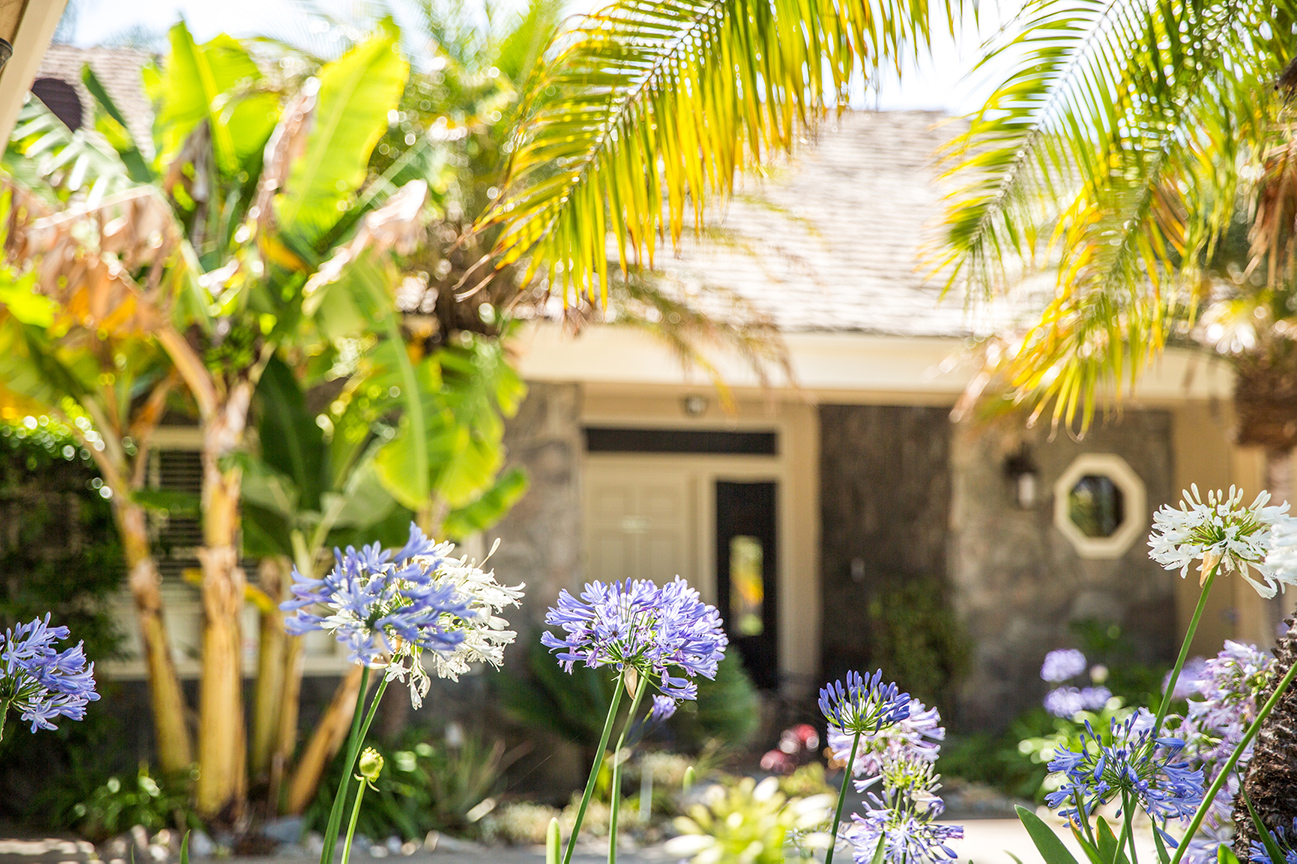
Our San Juan Capistrano facility offers comfortable accommodations and chef-prepared meals, because feeling cared for is a major part of getting well. The following is an outline of what you can expect in our center:
Detox and Stabilization
Treatment typically gets underway with medical detox, which usually runs anywhere from five to seven days in all. During this phase of treatment, your body clears itself of opioids under 24/7 medical supervision, with medications on hand to ease any potential withdrawal symptoms. A MAT evaluation will help assess if Suboxone or Vivitrol is right for you, with medication management and psychiatric services available throughout your stay.
Residential Treatment and Daily Care
Once detoxification is complete, you’ll transition into our residential opioid treatment program, which runs 30 to 60 days or longer, depending on your unique needs.
Days are structured around individual sessions, group therapy, and psychiatric care for any co-occurring mental health conditions. These approaches allow you to learn new coping strategies and insights for lasting recovery.
Family involvement is also included when it’s helpful, via therapy sessions, family education, and ongoing communication around your progress.
Aftercare
As you move toward discharge, your clinical team works with you on your relapse prevention plan. We also connect you with aftercare resources so the transition out of residential care is as smooth as possible.
Insurance & Admissions
Most major insurance plans cover opioid addiction treatment, and we can verify your benefits for free before you commit to attending treatment. The entire process is totally confidential – a quick call or form submission is all it takes to find out where you stand.
Same-day admission at A Better Life Recovery is available for those who want to get started fast. We know the window where someone is willing to accept help can sometimes be narrow, so we remove all the paperwork burdens from your way.
A Better Life Recovery is Joint Commission accredited and proudly serves all of Orange County in Southern California, including:
-
- Irvine, Newport Beach, Costa Mesa, Laguna Beach, Huntington Beach, Anaheim, Santa Ana, Mission Viejo, Dana Point, San Juan Capistrano
Ready to turn the page on opioid addiction? Call us or fill out our secure online contact form today to get started.
Frequently Asked Questions About Opioid Treatment Services
How Long Does Opioid Detox Take?
The opioid detox process usually takes anywhere from five to seven days, although this can vary depending on which opioids were being used, for how long, and the amount. Shorter-acting opioids like heroin tend to produce withdrawal symptoms that arrive faster and can resolve sooner, whereas longer-acting opioids like methadone can produce a longer process on the whole.
Withdrawal symptoms from opioids usually peak around the second and third day, gradually easing from there. The early phase of detox is often the hardest – anxiety, muscle aches, sweating, and nausea are common. This is why having medical support and oversight is so important to keep you safe and reduce your discomfort. Our treatment team adjusts your plan and our approach as your symptoms change and the substances safely leave your body, setting you up for success in the next phases of treatment.
What Is Medication-Assisted Treatment (MAT)?
Medication-assisted treatment utilizes FDA-approved medications with other clinical supports to treat opioid use disorder. MAT isn’t a substitute or shortcut for doing the work of recovery. Rather, it is a tool that directly addresses the neurological components of dependence that therapy alone can’t necessarily account for.
Opioids change the brain’s reward and stress systems in ways that can make managing cravings feel overwhelming, along with the resulting withdrawal symptoms. MAT medications like Suboxone and Vivitrol work directly on these systems in the body, reducing cravings and preventing withdrawal symptoms (and blocking the effects of opioids should they be used).
A growing body of evidence shows that MAT lowers overdose risk, reduces relapse rates, and improves long-term recovery outcomes as compared to abstinence-based approaches.4
Do I Have to Take Suboxone or Vivitrol?
Absolutely not – MAT is always a choice at A Better Life Recovery, and is never a condition of admission or participation in treatment. Our board-certified psychiatrist will talk through your history, explain your treatment options, and give you an honest, comprehensive picture of the potential benefits and trade-offs of MAT. Some people find that these medications make a huge difference in remaining in and working on their recovery, whereas others prefer a medication-free path.
The decision is always yours, and ABLR wants to help you make it with the best available information. We support both routes fully, and your treatment plan is always reflective of your goals and preferences.
Can You Treat Prescription Painkiller Addiction?
ABLR treats all forms of opioid use disorder, including prescription painkillers and other dependencies that developed from legitimate medical treatments. Prescription-based addiction, which can include OxyContin, Vicodin, Percocet, and other medications are one of the most common forms we see.
The people who come to us for support typically never meant to become addicted. Many were managing real pain, were following their doctor’s prescription plan, and found themselves in a situation that crept up gradually. We understand how this happens and treat it with no judgment, with the same seriousness and compassion we do with any other form of opioid addiction or substance misuse.
Is Opioid Treatment Covered by Insurance?
Most major insurance providers cover opioid rehab, including detox, residential care, and MAT. Federal regulations and laws require insurance companies to cover addiction treatment the same way they do any other medical issue, which means coverage is typically quite comprehensive.
Call us directly at (866) 278-8804 for your free, confidential insurance verification. We’ll get in contact with your insurance provider directly, walk you through your benefit layout, and give you the best possible picture of your potential costs before you make any decisions on how to best go forward.
What if I’ve Relapsed Before?
Relapse is actually a common part of opioid addiction recovery, and it’s not a moral failing or evidence that treatment isn’t working.
The chronic nature of opioid use disorder means that recovery can often involve facing setbacks. Therefore, many people who achieve long-lasting sobriety have been through treatment more than once, in addition to experiencing a relapse and return to active use.
Coming back and trying again after a relapse takes true courage, and our program includes intensive relapse prevention work that examines what happened. This includes any triggers you experienced within your environment and your support system, and what needs to change in your approach to make the next time successful.
References
References
- Calcaterra, S. L., Yamkovoy, K., Pallavi Aytha Swathi, Ciccarone, D., Brandon Del Pozo, Englander, H., Wang, J., & Barocas, J. A. (2024). U.S. Trends in Methamphetamine-Involved Psychiatric Hospitalizations in the United States, 2015-2019. Drug and Alcohol Dependence, 111409–111409. https://doi.org/10.1016/j.drugalcdep.2024.111409
- LA County. (n.d.). How Meth Affects You. Methfreelacounty.org. https://methfreelacounty.org/how-meth-affects-you.php
- Rusyniak, D. E. (2013). Neurologic Manifestations of Chronic Methamphetamine Abuse. Psychiatric Clinics of North America, 36(2), 261–275. https://doi.org/10.1016/j.psc.2013.02.005
- Sacramento County Department of Health & Human Services, BHS. (2019, October 9). Signs and symptoms of methamphetamine use. https://dhs.saccounty.gov/BHS/Documents/SUPT/Methamphetamine/Coalition-2019/MA-ADS-2019-10-09-Meth-Coalition–Signs-of-Meth-Use.pdf
- Glasner-Edwards, S., & Mooney, L. J. (2014). Methamphetamine Psychosis: Epidemiology and Management. CNS Drugs, 28(12), 1115–1126. https://doi.org/10.1007/s40263-014-0209-8
- Rusyniak, D. E. (2013). Neurologic Manifestations of Chronic Methamphetamine Abuse. Psychiatric Clinics of North America, 36(2), 261–275. https://doi.org/10.1016/j.psc.2013.02.005
Begin Your Recovery Journey Today
Are you ready to reclaim your life? Taking the first step is often the hardest, but we make it simple. We offer multiple ways for you to begin your journey. You can:
- Schedule a free, confidential consultation
- Contact our Orange County rehab centre online or through our 24/7 helpline
- Arrange a private tour of the facility
- Verify your insurance coverage for free
Let us support you toward long-lasting recovery. Reach out to us today.
CONTACT NOW


info@abetterliferecovery.com

Address
30310 Rancho Viejo Rd.
San Juan Capistrano, CA, 92675
WE ARE FULLY LICENSED AND ACCREDITED