LGBTQIA+ Affirming Addiction & Mental Health
Treatment in Orange County
It takes courage to ask for help with addiction and mental health issues. And for many LGBTQIA+ people, it also requires hoping that the people you work with will see and affirm you as a person.
A Better Life Recovery in San Juan Capistrano respects and celebrates who you are, and we’ve built our treatment programs around inclusivity and diversity. Your identity isn’t a complication to be worked around, and our staff is trained in cultural competency to inform how we work together in designing your course of treatment.
Minority stress, trauma, family rejection, and discrimination can all influence substance use and mental health challenges. This is why our LGBTQIA+ affirming treatment works to address your holistic needs with our innovative programming and evidence-backed care.1
ABLR is Joint Commission-accredited and serves adults throughout Orange County and Southern California. Contact us today, because you deserve LGBTQ-affirming treatment that doesn’t ask you to change who you are.

What Is LGBTQIA+ Affirming Treatment?
LGBTQIA+ affirming treatment is care that respects, validates, and supports your sexual orientation and gender identity. It means your identity is never treated as a disorder or something to be changed about who you are.
In practice, affirming care starts at the very beginning of our intake process. We ask for and use your correct name and pronouns and never make any assumptions about your identity or experiences in the world. Rather, these are treated as core components of your personhood to be validated and integrated into your treatment.
Affirming treatment shapes everything about how your care is delivered as well. Your treatment team won’t ask you to set aside your identity while you work on recovery – because it’s a vital part of who you are and your unique recovery process. A clinician trained in LGBTQ affirming treatment understands that who you are and what you’ve been through are deeply connected.
At A Better Life Recovery, affirming care is woven into how we operate, how our staff is trained, and how we show up for everyone who walks through our doors.
Why LGBTQIA+ Affirming Care Matters
An estimated 30% of LGBTQ+ people live with some form of addiction, compared to 9% of the general population.2 According to SAMHSA, gay and bisexual adults are two to three times more likely than their heteronormative counterparts to have used illicit drugs in the past year.3
Mental health follows a similar pattern as well: transgender adults are more than twice as likely as cisgender adults to carry a mental health diagnosis. Plus, LGBTQ+ people are two to three times more likely than heterosexual people to report suicidal ideation or attempts.4
Accessing Healthcare Hasn’t Always Been Safe for the LGBTQIA+ Community
Getting help is supposed to feel like a relief and give you hope. But LGBTQ+ adults are twice as likely as non-LGBTQ+ adults to report negative experiences while receiving healthcare, including being treated unfairly or with disrespect.⁴ What’s more, nearly 40% of LGBTQ+ adults who reported a negative encounter when receiving care said it made them less likely to seek help in the future.⁴
More than one in five LGBTQIA+ adults reported postponing or avoiding medical care in the past year due to discrimination or disrespect from providers, including more than one in three transgender or nonbinary people.5 When someone finally works up the courage to ask for help, being dismissed or mistreated can put them off the idea of treatment altogether.
Affirming Care Leads to Better Treatment Outcomes
Non-affirming treatment can actively cause harm. Being misgendered, having your identity questioned, being pathologized, or sitting in a space where you don’t feel safe pulls the focus away from recovery and puts it back on surviving. And you deserve much more than that in treatment.
Research shows that people engage more fully in treatment and achieve better outcomes when they feel genuinely safe and understood.6 At A Better Life Recovery, you deserve care that meets you where you are and that helps you feel proud of your identity. We aim to provide you with a safe place to explore and heal from your challenges with mental health and substance use.
Understanding Substance Use in LGBTQIA+ Communities
Substance use and addiction can be caused by many factors. For LGBTQUIA+ people, it can also be caused or compounded by many unique pressures that build up over years of navigating a world that can feel hostile or indifferent.
These pressures don’t affect everyone the same way, and no single factor tells the whole story. But research points to several recurring themes that help explain why LGBTQ addiction treatment needs to look different from standard care. We outline the factors below.7

Factors Contributing to Substance Use in LGBTQIA+ Communities:
-
- Minority stress: Chronic exposure to discrimination, prejudice, and stigma can take a serious toll on mental health, and substance use often becomes a way to manage it.
- Family rejection: Being rejected or disowned by family members can be one of the strongest predictors of substance use among LGBTQIA+ people. This is especially the case in young adulthood, along with causing lasting trauma and major life disruptions.
- Trauma: Higher rates of bullying, physical violence, sexual abuse, and hate crimes mean trauma is disproportionately common, all too frequently going unaddressed and ignored.
- Internalized stigma: Years of taking in negative messages about identity can lead to feelings of deep shame, with many people turning to drugs and alcohol to cope.
- Affirming social settings: Bars and clubs have historically been among the few safe spaces for LGBTQIA+ communities, which can also normalize heavy patterns of drinking and substance use.
- Chemsex (“Party and Play”): In some communities, substance use can become deeply connected with having sexual experiences, a pattern that can quickly escalate into dependency issues and exacerbate any existing mental health concerns.
- Barriers to accessing quality, affirming care: Past experiences of discrimination in healthcare and mental health settings can make many LGBTQIA+ people reluctant to seek help, breaking trust in clinicians’ ability to treat minorities fairly and equitably.
- Legal and housing challenges: In many states, LGBTQIA+ people still lack basic legal protections regarding housing and employment, all of which are stressors that can increase someone’s vulnerability to addiction.

Mental Health Conditions We Treat
At A Better Life Recovery, LGBTQ mental health treatment works to address both substance and any mental health conditions underneath it, known as “co-occurring disorders” or “dual diagnosis care.” LGBTQIA+ people experience depression at significantly higher rates than the general population for a variety of reasons. Minority stress, family rejection, social isolation, and years of navigating discrimination can all contribute.
Additionally, anxiety also shows up in many forms within LGBTQIA+ communities. We treat the full range of anxiety disorders, with an understanding of the specific pressures that fuel them. Sadly, many LGBTQIA+ people carry trauma that has never been properly treated as well. Violence, abuse, rejection by family or faith communities, and the lasting damage of conversion therapy all leave deep marks. Our trauma-informed approach — including eye movement desensitization and reprocessing treatment, or EMDR — creates space to process these experiences safely to help you gain new insights and perspectives on your experiences.
For transgender and gender diverse people, gender dysphoria can significantly affect quality of life and mental health. Our team approaches this with sensitivity and respect, supporting your identity throughout treatment while addressing any co-occurring conditions that are contributing to the overall picture.
Body image difficulties are also common across LGBTQIA+ communities, shaped by a complex mix of social pressures, identity, and internalized messaging from society. Whether connected to gender identity or other factors, these issues deserve dedicated clinical attention alongside other mental health and addiction treatment for truly holistic care.
Additionally, grief within LGBTQIA+ communities often looks different from what traditional therapy models expect. It can mean mourning the family you lost to rejection, the friends and chosen family lost to HIV/AIDS, or a version of life that discrimination made impossible.
Our LGBTQIA+ Affirming Treatment Approach
Every element of our program for mental health and addiction issues reflects our genuine commitment to LGBTQ affirming treatment for you or your loved one. We provide a safe place to work on yourself alongside others in the community who share in the experience of recovery. The following is an outline of our approach:
Providing Culturally Competent Care
Our clinical team participates in ongoing training for LGBTQIA+ cultural competency. This includes increasing our understanding of community-specific experiences, terminology, and the particular stressors that bring many people to treatment to begin with.
We never make any assumptions about your identity, relationships, or what your life should look like, because you get to define that for yourself upon arrival. You can trust that who you are will always be honored and upheld in treatment.
Evidence-Based Care That Treats the Whole Person
A Better Life Recovery utilizes therapy modalities adapted for LGBTQIA+ experiences. For example, cognitive-behavioral therapy (CBT) is honed to address minority stress and its effects on your default thought patterns and behaviors. Similarly, dialectical behavior therapy (DBT) can help you build up your emotional regulation skills for dealing with chronic stress.
Both individual and group therapy are available in our affirming treatment program, giving you space to work privately with a clinician and to connect with others in your recovery. We’re invested in treating the whole person and every aspect of your health, offering the very best in clinical excellence and supportive services at our scenic, welcoming Orange County facility.
Affirming Treatment Services
The recovery process also involves working through things you’ve internalized from society and others. Our therapists can help you process experiences of discrimination and rejection, dismantle shame around your identity, and build genuine self-acceptance. We also connect you with affirming community resources so that the support you have access to doesn’t end when treatment does, setting you up for long-term success and healing.
Psychiatric Care
Our board-certified psychiatrist oversees medication management for depression, anxiety, PTSD, and other co-occurring mental health conditions. For clients on hormone therapy, our medical team accounts for potential medication interactions as well, allowing for truly holistic and affirming care.
ABLR also employs nursing staff to attend to any medical needs 24 hours a day, seven days per week, ensuring all your needs are attended to during treatment. We’re here for you, day or night, and are looking forward to helping you get started on fulfilling your potential as a person.
A Safe, Welcoming Environment
Feeling safe is a necessary condition for the healing process. At A Better Life Recovery, we maintain a zero-tolerance policy for discrimination, harassment, and disrespect of any kind, and that standard applies to everyone on site, employees and clients alike.
Correct names and pronouns are expectations for everyone. Private accommodations are available for transgender clients when needed, and our facility is designed to be genuinely inclusive in each aspect of the treatment experience.
Recovery often takes everything you have to give, so you shouldn’t have to spend any of that energy defending who you are. At our LGBTQ friendly treatment center, you can put all your effort toward getting better, as you will be working alongside a treatment team that appreciates and affirms who you are as a person.

A Better Life Recovery’s Treatment Team
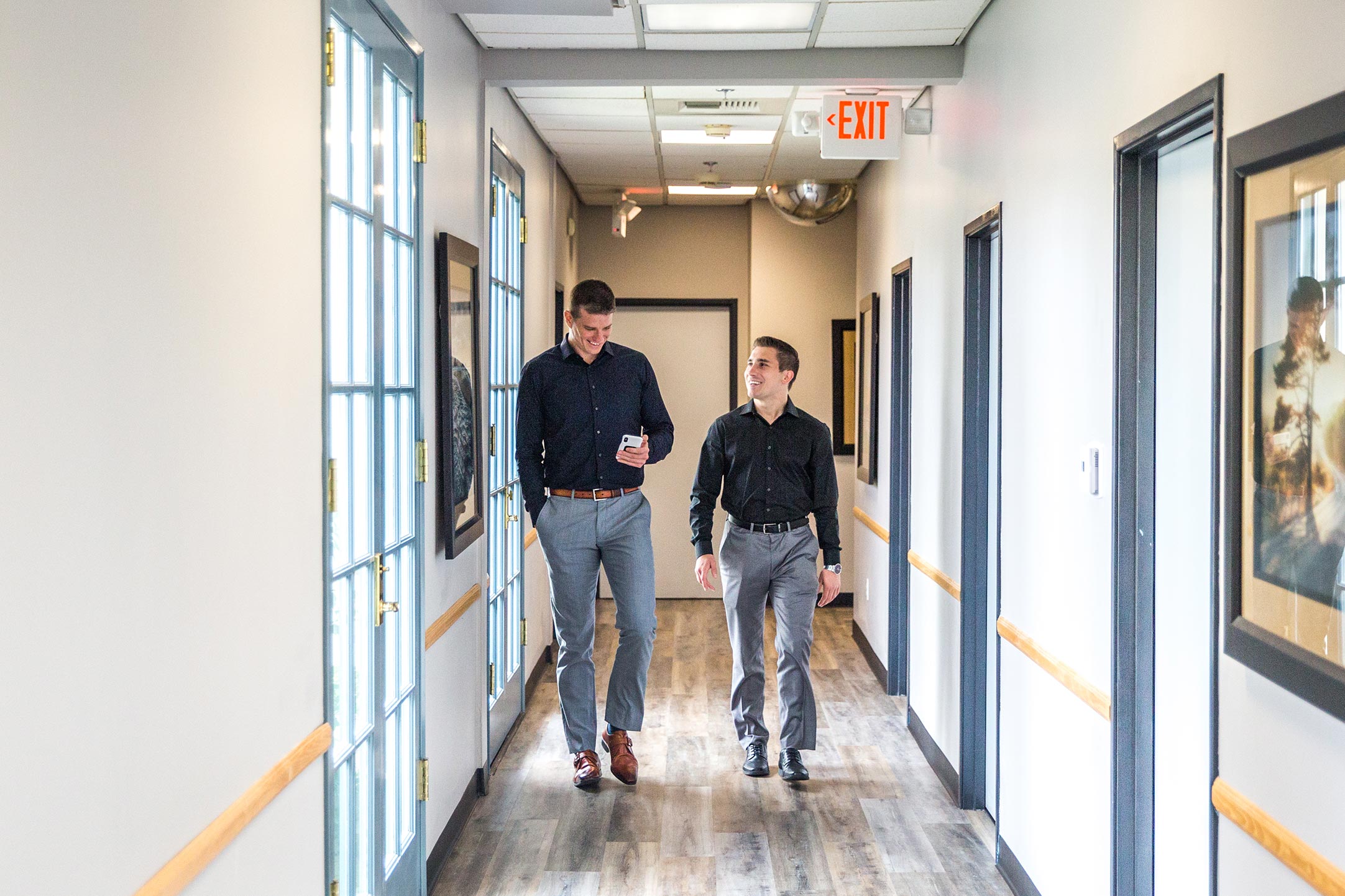
The people delivering your care matter just as much as the methods they use. Every member of our team brings both clinical expertise and a genuine commitment to LGBTQ affirming treatment for everyone.
Any medication needs are managed by a board-certified psychiatrist with a working awareness of LGBTQIA+ health needs, including hormone therapy interactions. Your therapy for individual and group-based sessions is delivered by licensed LCSWs, LMFTs, and LPCs trained in affirming care and evidence-based treatment approaches. And our certified addiction counselors are CADC specialists with experience treating co-occurring mental health and substance use conditions at the same time.
Around-the-clock nursing staff is also available 24/7, with an understanding of your clinical, personal, and social needs. With a small 1:2.5 staff-to-client ratio, you’ll get consistent and meaningful attention throughout your time in treatment. This level of support allows you to meet your challenges head-on and work on the underlying issues driving your mental health and substance use concerns.
The Insurance & Admissions Process
A Better Life Recovery accepts most major insurance plans, and we can also verify your benefits for free to help you make the best decision for your needs. We offer same-day services for those who are ready to get started right away, serving adults across all of the Southern California region.
Taking the first step toward recovery is hard enough without worrying about logistics. Let our team walk you through your options and confidentially verify your insurance to help you get into LGBTQ rehab in Orange County as smoothly as possible. This means you can focus on what’s most important – your health and your recovery.
Frequently Asked Questions About LGBTQIA+ Treatment
If you’re a member of the LGBTQIA+ community, your past experiences may mean you have some remaining concerns about addiction treatment after the information on this page. To help, we’ve provided the following answers to FAQs we commonly receive.
What Does LGBTQIA+ Affirming Mean?
Affirming treatment means that your sexual orientation and gender identity are always respected and validated. Our staff is continuously trained in LGBTQIA+ cultural competency to better understand the unique challenges you’ve faced and how to best support your recovery process.
Will I Be the Only LGBTQIA+ Person at the Treatment Center?
Our program serves a diverse community of people from all walks of life. We can’t guarantee you’ll be in treatment alongside other LGBTQIA+ people at any given time, but we always ensure you’ll experience an inclusive, welcoming environment at ABLR.
Many LGBTQIA+ clients find that the shared experience of recovery at our facility in San Juan Capistrano creates a genuine connection with others going through their own struggles, regardless of their identity.
How Do You Work With Transgender Clients?
Private accommodations are available when needed, and every member of our team is expected to treat you with dignity and respect (and to always use your correct name and pronoun). If you’re on hormone therapy, our medical team coordinates your care to ensure continuity of your care.
I’ve Had Bad Experiences With Treatment Before. How Is This Different?
Many LGBTQIA+ people have encountered discrimination, dismissiveness, or microaggressions in healthcare settings — sometimes in places that were supposed to help. Our staff trains specifically in affirming care, and we hold everyone in our facility to that standard at all times to ensure your experience is beneficial and as comfortable as possible.
References
- Parent, M. C., Arriaga, A. S., Gobble, T., & Wille, L. (2019). Stress and substance use among sexual and gender minority individuals across the lifespan. Neurobiology of Stress, 10, 100146. https://doi.org/10.1016/j.ynstr.2018.100146
- Hunt, J. (2012, March 9). Why the Gay and Transgender Population Experiences Higher Rates of Substance Use. Center for American Progress. https://www.americanprogress.org/article/why-the-gay-and-transgender-population-experiences-higher-rates-of-substance-use/
- Knopf, A. (2023). SAMHSA finds sexual minority adults more likely to use substances. Alcoholism & Drug Abuse Weekly, 35(24), 5–6. https://doi.org/10.1002/adaw.33809
- NAMI. (2023). LGBTQ+. https://www.nami.org/community-and-culture/lgbtq/
- Medina, C., & Mahowald, L. (2023, January 12). Discrimination and barriers to well-being: The state of the LGBTQI+ community in 2022. Center for American Progress. https://www.americanprogress.org/article/discrimination-and-barriers-to-well-being-the-state-of-the-lgbtqi-community-in-2022/
- Niu, Y., Sun, J., Zhu, K., Xu, B., Zhang, Y.-P., & Peng, M. (2025). The Critical Role and Effects of Patient-Centered Communication in Psychotherapy: A Narrative Review. Psychology Research and Behavior Management, Volume 18, 1657–1671. https://doi.org/10.2147/prbm.s528343
- Bass, B., & Nagy, H. (2023, November 13). Cultural competence in the care of LGBTQ patients. PubMed; StatPearls Publishing. https://www.ncbi.nlm.nih.gov/books/NBK563176/
CONTACT NOW


info@abetterliferecovery.com

Address
30310 Rancho Viejo Rd.
San Juan Capistrano, CA, 92675
WE ARE FULLY LICENSED AND ACCREDITED