Heroin and Fentanyl Addiction Treatment in Orange County, California
Opioids are commonly prescribed to treat pain, but ongoing use can lead to dependence and a variety of other health problems.
In 2023, there were over 107,000 drug overdose deaths in the United States, nearly 80,000 of which involved opioids.1 Synthetic opioids like heroin and fentanyl accounted for the majority of these fatalities.
A Better Life Recovery offers compassionate, evidence‑based care to those dealing with heroin and fentanyl addiction. Our approach includes medically supervised detox, an individualized relapse prevention plan, and care for co‑occurring mental health issues.
On this page, we explore our heroin and fentanyl addiction treatment structure and what you can expect in care.
Our Orange County Heroin and Fentanyl Rehab Program
A Better Life Recovery offers medically supervised detox for heroin and fentanyl dependency under safe, controlled settings.
Research shows that those who follow medically managed detox with continuous treatment and residential care dramatically lower their risk of death.2 Therefore, during detox, our team monitors your vital signs and administers proven medications for opioid use disorder when appropriate.
We also provide both individual and group therapy guided by evidence-based practices. This is because psychosocial treatment alongside medication is a more effective route to achieving heroin abstinence than either approach alone.3
Many individuals with heroin and fentanyl addiction also suffer from a co-occurring mental‑health condition such as depression, anxiety, or trauma. We treat such “dual diagnosis” cases under compassionate, integrated care.
Our facility is fully licensed and accredited by the Joint Commission International (JCI) and certified by the State Department of Health Care Services.
We maintain a small staff‑to‑client ratio (1 staff member per 2.5 clients) and 24/7 medical supervision for personalized attention. Plus, our center serves people from across all of Orange County, including Irvine, Newport Beach, Costa Mesa, Laguna Beach, Huntington Beach, Anaheim, and Santa Ana.
Medication Management Heroin and Fentanyl Addiction
Medication management is a central aspect of our approach to heroin and fentanyl addiction.
Medication management is a proven, research-backed method that combines FDA-approved medications with behavioral therapies to treat opioid use disorder.
Two main medications we use at our center are:
- Buprenorphine (Suboxone): This is a partial opioid agonist. It weakly activates the same brain receptors as heroin or fentanyl, but without producing the dangerous high. It is very effective against withdrawal symptoms and cravings. Research shows that when people with opioid use disorder stay on buprenorphine, their risk of hospitalization drops. A 55% reduction in all-cause mortality has also been reported.4
- Naltrexone (Vivitrol): Naltrexone blocks your opioid receptors completely. That means if opioids are used while on naltrexone, they won’t produce the euphoria and sedation – the “reward” symptoms people take them for. For this reason, monthly injectable naltrexone can lead to significant increases in opioid abstinence.5

Individual and Group Therapy for Opioid Addiction
Research shows that MAT works best in combination with evidence-based individualized and group therapy.
A large study found that patients receiving counseling alongside buprenorphine had a 17% lower likelihood of poor medication continuity. They also had a 21% lower likelihood of dropping out of treatment over a 12‑month period compared with those without counseling.6
Behavioral and psychosocial therapies used alongside MAT at our center in Orange County include:
- Cognitive behavioral therapy (CBT) to help you recognize and change your thought patterns that lead to addiction
- Contingency management, which uses structured incentives and support to reinforce healthy, drug‑free behavior
- Family therapy to help you rebuild relationships
- Reintegration services so you can transition back to studies and work after treatment
Opioid Detox and Withdrawal Management in Orange County
Stopping heroin, fentanyl, or other opioids can produce intense withdrawal symptoms, such as:
- Muscle and joint aches
- Body pain
- Nausea or vomiting
- Stomach cramps
- Chills or sweats
- Insomnia
- Restlessness
- Anxiety
- Shaking
- Rapid heart rate
- Elevated blood pressure
Further, psychological distress and strong cravings can persist long after physical symptoms subside. We understand how terrifying these symptoms can be, and we do our best to safely get you out of them.
Our team monitors you around the clock to keep your vitals under control, ensure hydration and nutrition, and administer medications to ease your symptoms.
Because opioids like heroin are short‑acting, withdrawal symptoms typically begin 8-24 hours after last use and peak within 2-3 days. Under detox, acute symptoms often subside over a period of 5-10 days.
Once the acute withdrawal phase is over, we support you to transition into relapse‑prevention and continued care under the residential treatment program. Here, you begin therapy and work on rebuilding your daily routines.
Understanding Heroin and Fentanyl Addiction
Our bodies produce natural “feel‑good” chemicals (endorphins and similar compounds) that bind to opioid receptors.7
Heroin and fentanyl mimic these natural chemicals but are far stronger. They flood the nervous system, resulting in intense pain relief and strong feelings of euphoria (happiness).
As a result, repeated use of opioids rewires how your brain functions. Over time, the brain reduces its own production of natural opioids and adapts to the drug’s presence. The same dose of opioids no longer brings the same relief, which is a phenomenon called “tolerance.”8 As tolerance builds, you need to increase use to get the same effect.
Fentanyl is particularly dangerous because it is extremely potent and crosses into the brain rapidly. With euphoria, it also increases the risk of toxicity, in other words, low respiratory rate and long-term changes to brain structure. Opioid dependence also brings chronic health problems like:
- Severe withdrawal symptoms when you stop
- Damage to internal organs
- Weakening of mental health
- Impaired memory
- Emotional dysregulation
- Social isolation
- Loss of control over life choices
- A cycle of drug‑seeking behavior, even when you deeply want to stop
What to Expect at Our Orange County Opioid Treatment Center
Treatment for heroin and fentanyl addiction is a multi-step process at A Better Life Recovery. The following is an overview of what you can expect:
Individualized Treatment Plan Development
The National Institute of Drug Abuse mentions that “No single treatment is appropriate for everyone.”10
People come to us with different histories, challenges, strengths, and goals. The treatment plans we create for you reflect those individual needs. This is because a personalized, evidence-based approach to opioid detox and rehab increases your chances of long-term recovery.
Your care team includes physicians, addiction specialists, psychiatrists, therapists, and clinical counselors, all of whom collaborate with you to select the right mix of services. The plan is also regularly reviewed and adapted as your recovery continues.
Individual and Group Therapy Sessions
Our long-term treatment plans include both individual and group therapy.
In individual therapy, you work one-on-one with a licensed clinician. It is a safe space where you can talk openly, without any judgment, about the pain, pressures, and patterns that lead to heroin and fentanyl misuse.
Your providers will use different types of psychosocial therapy to support you, such as CBT, dialectical behavior therapy (DBT), motivational interviewing (MI), and trauma-informed modalities.
Additionally, during group therapy, you get to meet others who fight the same battle as you. They can help you understand the cravings, the shame, the fear, and the hope you may struggle to put into words. You may be part of the following types of groups:
- Psychoeducational groups to learn about the science of heroin and fentanyl dependence and how to grow out of it
- Skills development groups that teach practical tools for emotion regulation, healthy communication, stress reduction, and relapse-prevention
- Cognitive-behavioral groups guided by evidence-based CBT principles.
- Support groups to share your experiences with others who understand what you’re going through
- Interpersonal process groups guided by a therapist to explore your interactions within the group and gain insight into your behavior
Addressing Underlying Trauma and Mental Health
Addiction and mental health problems are very closely related. Among adults with opioid use disorder, 64% also experience mental illness. Nearly 27% have a serious mental illness like major depression or bipolar disorder.11 However, only about one-quarter to one-third of people with co-occurring disorders receive both substance use and mental health care.12
Further, a lot of people with opioid addiction have a history of having experienced emotional or physical trauma. Without addressing it, the craving to escape through drugs can persist, no matter how many times you try to detox.
At our center, treatment of a dual diagnosis is guaranteed. Unlike fragmented care settings, we don’t treat your opioid use in isolation.
Relapse Prevention Strategies
Detox does not put a hard stop to heroin and fentanyl addiction unless you adopt healthy habits for relapse prevention. So, right after detox, you will shift to our residential care center for relapse-prevention therapy.
We also ensure a smooth transition to your daily life through our reintegration support, which includes:
- Legal guidance and support for court obligations, probation, or past charges
- Employment and vocational assistance
- Educational pathways for younger patients
- Family healing, using therapy to improve communication and set healthy boundaries
- Community reintegration to help you find sober peers and support groups
Amenities
We believe that the environment in which you heal is just as important as the care you receive. Orange County is recognized nationally as a “recovery destination” due to its therapeutic environment and abundant local resources. Our Orange County facility is nestled in the serene beauty of Southern California, located between Los Angeles and San Diego with easy access from John Wayne Airport.
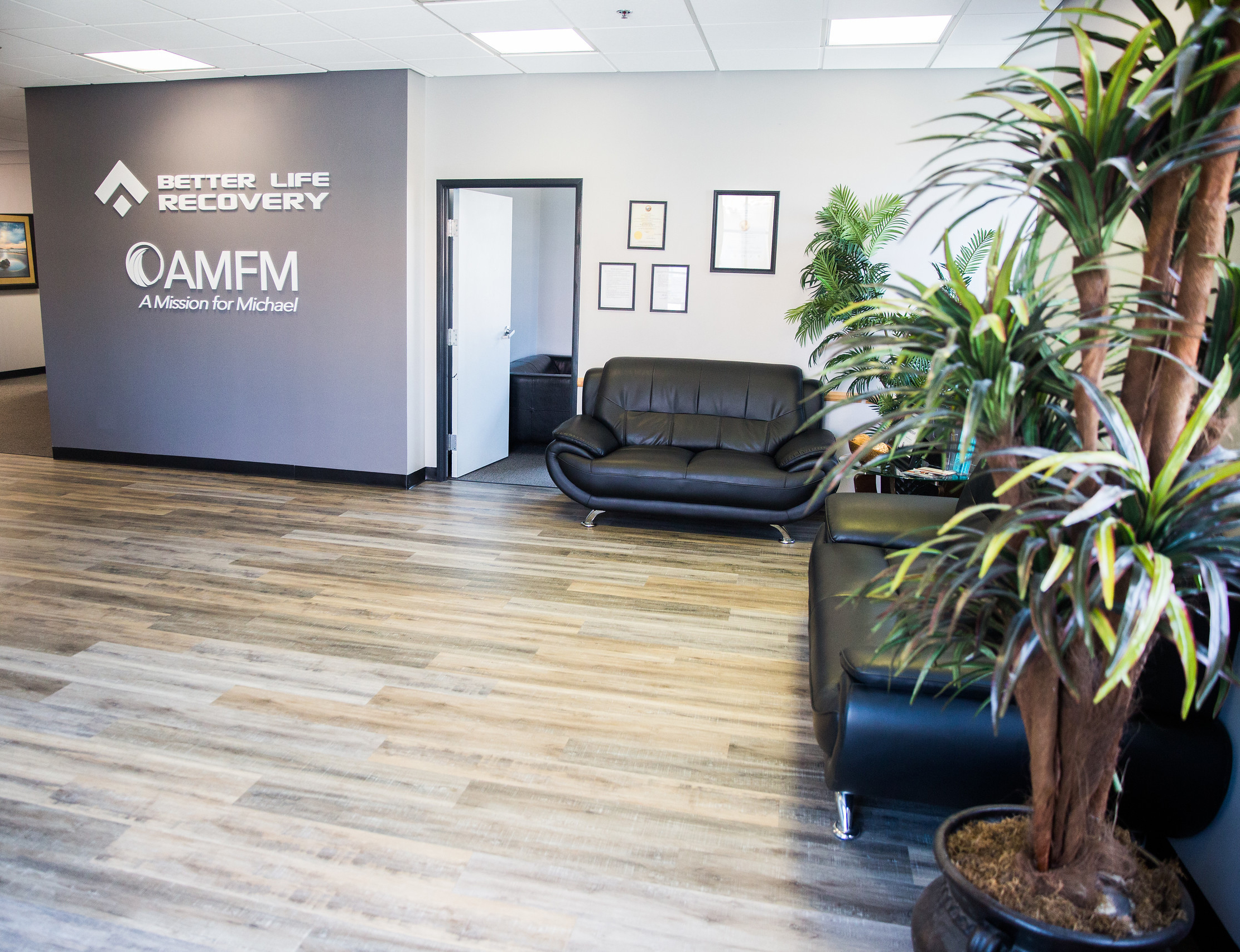
Our rehabilitation centers break the misconception of cold, clinical detox scenes portrayed in the media. Here, you will be treated in comfortable, private therapy offices, group therapy spaces, and meeting rooms.
The center also provides a range of amenities, such as 24/7 access to clinical staff, chef-prepared meals to nourish your body, free parking, and an on-site gym and fitness area for improved recovery.
Insurance and Admissions
We believe that access to high-quality addiction treatment should not be limited by financial barriers. Therefore, we work with most major insurance plans. We also offer free, confidential insurance verification to ensure you can get the care needed without unnecessary delays.
Some of the major insurance plans we are in-network with include:
- All Anthem Insurance Policies for comprehensive care
- All Blue Cross Insurance Policies for addiction treatment
- First Health Insurance
- Humana Insurance
- HMC HealthWorks
- Coventry Health Care of Delaware Insurance
- ComPsych Insurance
- MHN Health Net Insurance
We accept many other insurance plans beyond those listed. You can contact our admissions specialists to verify your benefits discreetly. Plus, once your insurance status is verified, we offer same-day admissions whenever possible to ensure you begin detox immediately.
If you’re ready to take the next step toward recovery or are simply interested in hearing more about what we have to offer, get in touch with our team today.
Frequently Asked Questions
If you’re considering heroin and fentanyl addiction treatment, it’s normal to have some persisting concerns. For this reason, we’ve provided some answers to common FAQs about treatment.
How Long Does Heroin or Fentanyl Rehab Take?
Heroin or fentanyl rehab begins with a 5-10 day detox to safely manage withdrawal, followed by 30-90 days of inpatient/residential treatment. The exact duration of treatment is based on your individual needs and the severity of addiction.
Is Medication-Assisted Treatment Effective?
Yes. MAT is highly effective for opioid addiction. It helps with withdrawal symptoms and lowers the risk of relapse when combined with therapy and support.
What Medications Are Used for Opioid Addiction?
Medications for opioid addiction include Suboxone (buprenorphine) to reduce cravings, Vivitrol (naltrexone) to block opioid effects, and other comfort medications for withdrawal symptoms.
Can I Detox from Fentanyl at Home?
No. Fentanyl withdrawal is intense, and detoxing at home carries a high risk of medical complications. It is also associated with higher rates of relapse.
Do You Treat Prescription Painkiller Addiction?
Yes. We provide treatment for prescription opioid addiction, including OxyContin, Vicodin, Percocet, and other opioids.
What if I’ve Relapsed Before?
Relapse is a common part of recovery, not a failure. Our program offers ongoing support to address triggers that can lead to relapse and build coping skills so you stand strong against cravings.
References
- Centers for Disease Control and Prevention. (2025, June 9). Understanding the opioid overdose epidemic. Overdose Prevention; CDC. https://www.cdc.gov/overdose-prevention/about/understanding-the-opioid-overdose-epidemic.html
- Walley, A. Y., Lodi, S., Li, Y., Bernson, D., Babakhanlou‐Chase, H., Land, T., & Larochelle, M. R. (2020). Association between mortality rates and medication and residential treatment after in‐patient medically managed opioid withdrawal: a cohort analysis. Addiction, 115(8). https://doi.org/10.1111/add.14964
- Dugosh, K., Abraham, A., Seymour, B., McLoyd, K., Chalk, M., & Festinger, D. (2016). A Systematic Review on the Use of Psychosocial Interventions in Conjunction With Medications for the Treatment of Opioid Addiction. Journal of Addiction Medicine, 10(2), 93–103. https://doi.org/10.1097/adm.0000000000000193
- Heikkinen, M., Taipale, H., Tanskanen, A., Mittendorfer‐Rutz, E., Lähteenvuo, M., & Tiihonen, J. (2022). Real‐world effectiveness of pharmacological treatments of opioid use disorder in a national cohort. Addiction, 117(6). https://doi.org/10.1111/add.15814
- Xu, K. Y., Mintz, C. M., Presnall, N., Bierut, L. J., & Grucza, R. A. (2022). Comparative Effectiveness Associated With Buprenorphine and Naltrexone in Opioid Use Disorder and Cooccurring Polysubstance Use. JAMA Network Open, 5(5), e2211363. https://doi.org/10.1001/jamanetworkopen.2022.11363
- Zhu, T., Noor-E-Alam, Md., Hasan, M., Young, L., & Young, G. (2025). Counseling as a complement to buprenorphine treatment for opioid use disorder: A retrospective observational study of patient outcomes. Journal of Substance Use and Addiction Treatment, 209719. https://doi.org/10.1016/j.josat.2025.209719
- Menon, S. (2024). Opioids and their Receptors. Journal of Student Research, 13(4). https://doi.org/10.47611/jsrhs.v13i4.7646
- Zhang, J., Song, C., Dai, J., Li, L., Yang, X., & Chen, Z. (2022). Mechanism of opioid addiction and its intervention therapy: Focusing on the reward circuitry and mu‐opioid receptor. MedComm, 3(3). https://doi.org/10.1002/mco2.148
- Weimer, M. B., Devoto, A., Devan Kansagara, Safarian, T., Brunner, E., Stock, A., Rastegar, D. A., Nelson, L. S., Tirado, C. F., P. Todd Korthuis, & Boyle, M. P. (2024). The American Society of Addiction Medicine Clinical Practice Guideline Development Methodology. Journal of Addiction Medicine. https://doi.org/10.1097/adm.0000000000001312
- National Institute on Drug Abuse. (2014). Principles of drug addiction treatment: A research-based guide (Third Edition). https://nida.nih.gov/sites/default/files/podat-3rdEd-508.pdf
- Jones, C. M., & McCance-Katz, E. F. (2019). Co-occurring substance use and mental disorders among adults with opioid use disorder. Drug and Alcohol Dependence, 197, 78–82. https://doi.org/10.1016/j.drugalcdep.2018.12.030
- Novak, P., Feder, K. A., Ali, M. M., & Chen, J. (2019). Behavioral health treatment utilization among individuals with co-occurring opioid use disorder and mental illness: Evidence from a national survey. Journal of Substance Abuse Treatment, 98, 47–52. https://doi.org/10.1016/j.jsat.2018.12.006
Begin Your Recovery Journey Today
Are you ready to reclaim your life? Taking the first step is often the hardest, but we make it simple. We offer multiple ways for you to begin your journey. You can:
- Schedule a free, confidential consultation
- Contact our Orange County rehab centre online or through our 24/7 helpline
- Arrange a private tour of the facility
- Verify your insurance coverage for free
Let us support you toward long-lasting recovery. Reach out to us today.
CONTACT NOW


WE ARE FULLY LICENSED AND ACCREDITED