Drug Rehab in Orange County, California
Dealing with drug addiction can feel incredibly isolating. The constant worry, the effort it takes to hide what’s going on, and the impact on your health and relationships can become overwhelming.
Substance use disorder (SUD) currently affects over 22 million U.S. adults and is a leading cause of premature death and disability across America.1,2 Living with an addiction may feel disheartening, but it’s important to remember that recovery is possible.
At A Better Life Recovery, we offer compassionate, evidence-based drug rehabilitation designed to help you break free from substance use and begin rebuilding your life.
On this page, we’ll walk you through our comprehensive Southern California drug rehab program in Orange County, including:
- Drug detox and withdrawal management
- Drugs and substances we treat
- Effective therapies and treatments for substance addiction
- Specialized treatment programs
- What to expect in our programs
- Answers to frequently asked questions
- How to start getting help for drug addiction

Understanding Drug Addiction and Why Treatment Works
The first thing to know is that addiction isn’t about a lack of willpower or poor choices. Substance use disorder (SUD) is a complex medical condition that changes how the brain responds to stress, reward, and decision-making. Over time, this can make substance use feel impossible to control, even when someone desperately wants to change things in their life.3
While addiction can often feel discouraging, recovery is far more common than people realize. In fact, over 29 million U.S. adults report being in recovery or consider themselves to be recovered from a SUD.4 For many people, residential drug treatment provides the stability, structure, and medical care needed to step away from daily triggers and begin healing.
Next, we’ll take a closer look at our drug treatment program and how it supports recovery.
Our Orange County Drug Rehab Program
At A Better Life Recovery, we know that SUD treatment isn’t as simple as “just stop using.” That’s why we designed our drug rehab Orange County programs to be fully comprehensive, providing you with the compassionate support you need from the very start.
With a board-certified psychiatrist on-site, staff experienced in addiction treatment, and a small staff-to-client ratio (1:2.5), you’re able to receive the dedicated care and help that you deserve, 24/7.
The team at our drug rehab San Juan Capistrano facility also understands that no two people face the same challenges when it comes to substance misuse. For this reason, we create individualized treatment plans designed to meet your unique needs and goals.
Not only that, but we also hold Joint Commission accreditation, which is a sign of excellence in the healthcare industry. This means you can rest assured that you’ll receive safe and high-quality care while you stay with us.
The following sections will walk you through the specifics of our drug treatment programs, beginning with detox and withdrawal management.
400;”>outpatient settings. If this rings true for you, our inpatient rehab program may be appropriate for your needs.
So, which addictions do we provide treatment for at our facility?
Drug Detox & Withdrawal Management
A drug detox removes the drugs you are dependent on from your body, allowing you to start your treatment program with a clearer mind. However, detoxification may not always feel easy or smooth. Some people may experience “withdrawal” – symptoms that affect your body and mind.
Some common symptoms of withdrawal may look like:5
- Nausea or vomiting
- Diarrhea
- Pains, aches, or fatigue
- Sweating
- Insomnia
- Changes to the heartbeat
- Tremors
- Anxiety, depression, or irritability
- Substance cravings
- Confusion
- Hallucinations or paranoia
More importantly, for a small percentage of people, substance withdrawal can be fatal if not managed appropriately, particularly when detoxing from sedative-hypnotics.6 This is why medical supervision is often crucial for a successful detox and recovery.
A medically supervised detox can remove the potential danger from the process by making sure your detox is planned and overseen by experienced professionals. This consists of:
- Round-the-clock medical supervision and care
- Medication management for safety and to ease withdrawal symptoms
- Monitoring of vital signs and symptoms
- A safe, comfortable, and supportive environment
- Personalized treatment plans that provide a seamless transition to residential treatment programs
With compassionate and intensive care, treatment can be adjusted in line with your needs, providing you with the supportive drug rehabilitation you deserve.
Medication Management for Drug Addiction
At our inpatient drug rehab Orange County center, we also offer medication management for drug addiction.
Certain medications can help make substance addiction treatment more comfortable and safe for the person experiencing it. Specifically, the Food and Drug Administration (FDA) has approved three medications for the treatment of opioid use disorder. These are:7
- Naltrexone
- Methadone
- Buprenorphine
Our drug detox Orange County programs offer medications to help the withdrawal process, including Vivitrol (extended-release naltrexone treatment) and Suboxone treatment (buprenorphine). Also, other medications may be used to ease withdrawal symptoms or to treat any co-occurring conditions.
Regardless of whether you receive Suboxone or Vivitrol treatment, medication management is always carried out under strict medical supervision to safely minimize drug withdrawal symptoms and ensure a smooth recovery.
Understanding the detoxification and withdrawal process more leads us to explore the various substance addictions treated in our drug addiction treatment Orange County setting.
Drugs & Substances We Treat
A Better Life Recovery provides SUD treatment to people who want to live a life free from addictions. The addictions we treat include:
Opioid Addiction Treatment & Prescription Painkillers:
- Heroin
- Fentanyl addiction treatment and synthetic opioids
- OxyContin, Vicodin, and Percocet (prescription drug addiction)
Stimulants:
- Methamphetamine (meth and crystal meth)
- Cocaine and crack cocaine addiction treatment
- Adderall, Ritalin, Vyvanse (prescription stimulants)
Sedatives & Benzodiazepines:
- Xanax, Valium, Klonopin, and Ativan (benzodiazepines)
- Ambien and Lunesta (sleep aids)
Other Substances:
- Alcohol and alcohol use disorder (AUD)
- MDMA (ecstasy and Molly)
- LSD, PCP, ketamine, and hallucinogens
- Marijuana and cannabis use disorder
- Synthetic cannabinoids (K2, spice)
- Inhalants
Additionally, we also treat polysubstance abuse (addictions to more than one substance). So, whether you are searching for a Valium or heroin rehab Orange County treatment program, or somewhere that can treat multiple addictions simultaneously, we have you covered.
The next section looks at some of the most common treatment and therapy approaches used in effective SUD recovery programs.
Evidence-Based Therapies & Treatment Approaches
Evidence-based therapies are crucial for successful drug addiction treatment. Therapy provides science-backed methods to replace destructive habits with healthier coping mechanisms that you can continue to use throughout your life.
Talk therapy allows you to explore the underlying issues that drive your addiction. With this understanding, you can then learn how to move forward without feeling dependent on substances.
Therapy can come in different forms, such as individual, group, or family, which we discuss in more detail below.
Individual Therapy
Individual therapy happens on a one-to-one basis between you and a therapist. Evidence-based therapeutic approaches for SUD recovery include:8-10
-
- Cognitive behavioral therapy (CBT): CBT for addiction is a structured therapy that helps you change unhelpful thoughts, beliefs, and behaviors that may be contributing to substance dependence.
- Motivational Enhancement Therapy (MET): MET helps build and strengthen motivation to change behaviors, such as drug misuse. It allows you to identify the benefits and negatives of current behavior, form a plan to make changes, build confidence, and develop the skills essential for reaching your goals.
- Dialectical behavior therapy (DBT): DBT for addiction incorporates elements of mindfulness, emotional regulation, distress tolerance, and communication skills development to help you recognize and change drug-oriented behaviors for healthier ones.
- Trauma therapy: Trauma therapy helps people process past traumatic events that may lead them to use substances in an attempt to manage post-traumatic stress disorder (PTSD) symptoms.
- Eye Movement Desensitization and Reprocessing (EMDR): EMDR is a trauma-informed therapeutic approach that focuses on addressing traumatic memories and triggers that fuel substance use. As trauma is reprocessed, the nervous system can relax, making cravings and urges feel more manageable over time.
Group Therapy
Group therapy, such as the 12-step program used in NA meetings, helps you work through treatment and recovery alongside peers. Group work may focus on education, skills development, CBT, or peer support to help you learn from others and process your recovery journey.11
Family Therapy
Family therapy typically involves partners or family members in the treatment process, which can have a positive effect on the engagement and outcome of the person with an addiction. This approach often focuses on the roles, relationships, and communication within the family system, aiming to improve support and address behavior patterns that could trigger future substance use.12
Specialized Treatment Programs
We know how important it is to get the right care at the right time. While providing personalized treatment plans, we also offer specialized treatment programs to ensure you get the most appropriate support.
Some of these programs include:
-
- Dual diagnosis treatment: Around half of people with SUD have co-occurring disorders, such as depression, bipolar disorder, or PTSD.13 Dual diagnosis treatment allows multiple conditions to be addressed at the same time.
- LGBTQ drug rehab: Our treatment programs are tailored to take into account your specific mental and physical health needs. Furthermore, our facilities are gender-neutral and LGBTQ+ friendly, providing the support, privacy, and confidentiality you need in a safe, healing environment.
- First responder addiction treatment: Our team is experienced at providing tailored treatment for first responders, including trauma treatments.
- Smoking cessation program: Research shows that smoking is associated with an increased risk of SUD relapse, which is why we offer a smoking cessation program at our facility.14
- Grief counseling: Addiction may sometimes stem from the pain of loss as someone attempts to numb their emotions using substances. However, the pain often returns when the substances wear off, creating a cycle of use. Grief counseling can help people process their loss and find healthier ways to manage intense or overwhelming feelings.
At A Better Life Recovery, we are ready to support your healing journey from addiction. In the next section, we will detail what you can expect to find at our Orange County rehabilitation center.
What to Expect at Our Orange County Drug Rehab
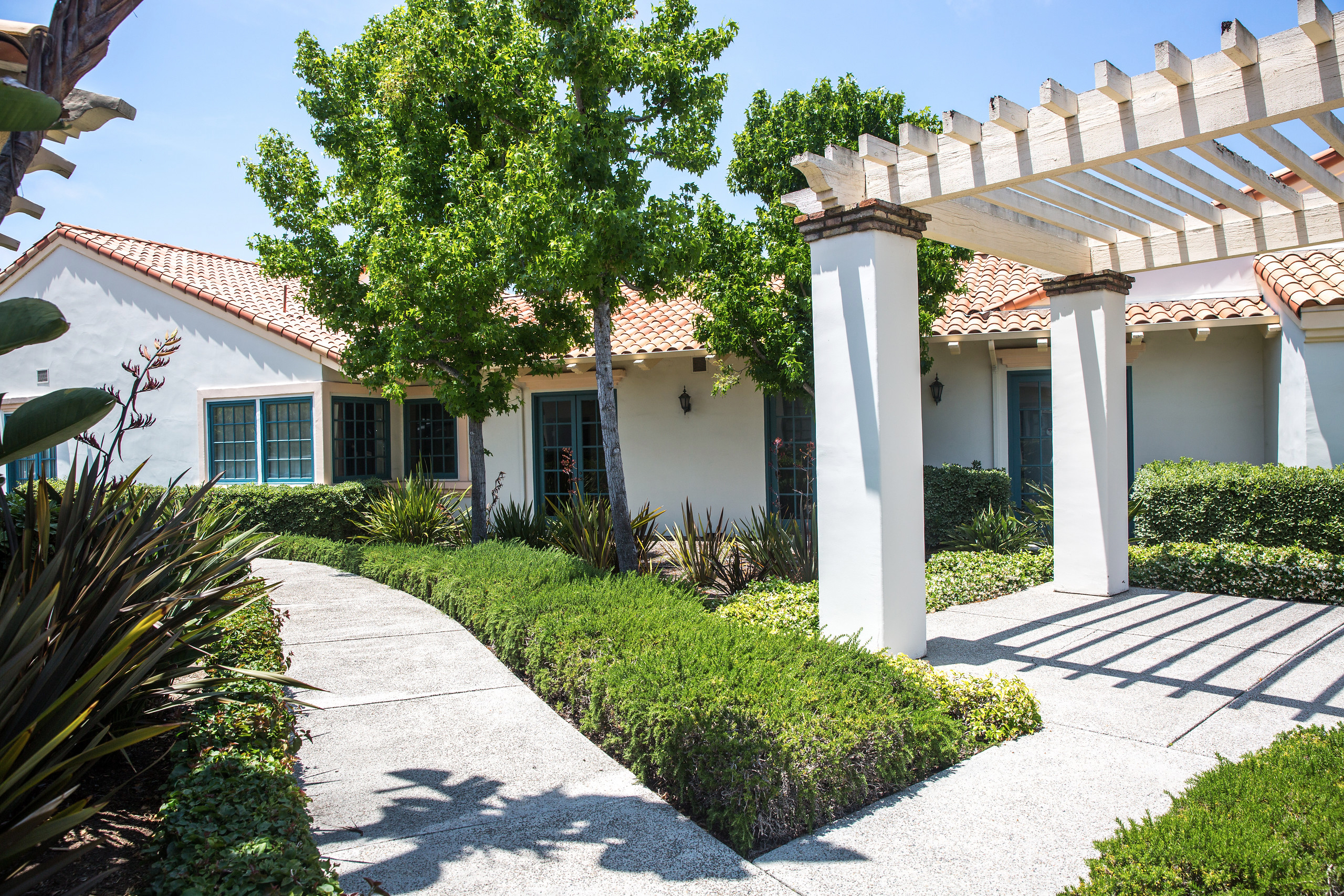
Seeking addiction treatment can sometimes feel overwhelming, especially if you aren’t sure what treatment programs look like. To help put your mind at ease, here is what you can expect when you choose A Better Life Recovery in San Juan Capistrano, Orange County, for drug rehab:
- Comprehensive medical and psychiatric assessments at intake
- A personalized treatment plan designed to help you meet your goals
- Medically-assisted detox with 24/7 clinical support (if needed)
- Programs catering to 30 day drug rehab, 60 day drug rehab, and extended options
- A smooth transition to residential treatment programs
- Staff who specialize in addiction recovery
- Evidence-based treatments
- One-to-one therapy and group therapy sessions
- On-site gym and recreational activities
- Comfortable bedrooms
- Chef-prepared meals
- Family visits (both on-site and virtual)
- Free Parking
- Airport and train pickup available
- Outpatient services are available for up to 12 months
Why Choose A Better Life Recovery for Drug Treatment?
When you choose A Better Life Recovery, you can discover how to break free from addiction and live a more connected, fulfilling life. At our Orange County facility, we treat addiction as the chronic illness that it is, focusing on long-term recovery and true healing. When you choose us, you can benefit from:
- Accreditation: We are a Joint Commission accredited rehab service, meaning we uphold high standards of quality and safety
- Specialized staff: Our team includes a board-certified psychiatrist on-site and experienced addiction specialists to support your recovery
- Evidence-based treatments: Offering you treatment proven to be effective
- Integrated care: We have expertise in dual diagnosis and customize treatment plans to meet your needs
- Personalized support: Our client-to-staff ratio is small (1:2.5), ensuring dedicated attention
- Long-term success: We offer comprehensive aftercare and alumni programs to support your recovery after you leave our center.
We believe that cost shouldn’t prevent you from accessing the help you need, which is why we accept most major insurance plans. We also offer free, confidential insurance verification for your peace of mind.
If you’re still unsure, the following answers to some of the most frequently asked questions about our drug rehab programs may help.
Get Help for Drug Addiction Today
Break free from drug addiction today. Your journey to a healthier, more fulfilling life starts here. Contact us online or through our 24/7 admissions helpline at (866) 710-9128 to arrange a free, confidential consultation.
Frequently Asked Questions About Inpatient Treatment for Alcohol Rehab
How Long Does Drug Rehab Take?
The average inpatient stay is 30-60 days, with outpatient services available for up to 12 months. However, treatment length will depend on the substance used, duration of use, and personal progress.
Do You Offer Medication-Assisted Treatment (MAT)?
Yes, we offer Suboxone (buprenorphine) and Vivitrol (naltrexone) for opioid addiction treatment, managed by our board-certified psychiatrist.
What Is Dual Diagnosis Treatment?
Dual diagnosis treatment addresses both addiction and any co-occurring mental health conditions (such as depression, anxiety, PTSD, or bipolar disorder) simultaneously for better outcomes.
Is Drug Rehab Covered by Insurance?
Yes, most insurance plans cover drug addiction treatment. Call us today for free, confidential insurance verification.
What Drugs Do You Treat?
We treat addiction to opioids (heroin, fentanyl, prescription painkillers), stimulants (meth, cocaine, Adderall), benzodiazepines, alcohol, and many other substances.
Do You Offer LGBTQ+ Friendly Treatment?
Yes, we offer LGBTQIA+ tailored treatment and are a transgender safe space with gender-neutral restrooms.
References
- Recovery Research Institute. (2025, January 22). 1 in 10 Americans report having resolved a significant substance use problem. https://www.recoveryanswers.org/research-post/1-in-10-americans-report-having-resolved-a-significant-substance-use-problem/
- Pan American Health Organization (PAHO). (2021). The burden of drug use disorders. https://www.paho.org/en/enlace/burden-drug-use-disorders
- American Psychiatric Association. (2024, April). What is a substance use disorder? https://www.psychiatry.org/patients-families/addiction-substance-use-disorders/what-is-a-substance-use-disorder
- Miller, J. (2025, October 19). Addiction Recovery Statistics – Treatment Success & Failure Rates. AddictionHelp.com. https://www.addictionhelp.com/recovery/statistics/
- Watson, S. (2020, January 7). Is it safe to quit substances cold turkey? Here’s what to consider. Healthline. https://www.healthline.com/health/opioid-withdrawal/quitting-cold-turkey#physical-and-emotional-changes
- Substance Abuse and Mental Health Services Administration (SAMHSA). (2006). Detoxification and Substance Abuse Treatment: Treatment Improvement Protocol (TIP) 45. https://www.ncbi.nlm.nih.gov/books/NBK64115/pdf/Bookshelf_NBK64115.pdf
- U.S. Food And Drug Administration (FDA). (2024, December 26). Information about Medications for Opioid Use Disorder (MOUD). https://www.fda.gov/drugs/information-drug-class/information-about-medications-opioid-use-disorder-moud
- Cavicchioli, M., Movalli, M., Vassena, G., Ramella, P., Prudenziati, F., & Maffei, C. (2019). The therapeutic role of emotion regulation and coping strategies during a stand-alone DBT Skills training program for alcohol use disorder and concurrent substance use disorders. Addictive Behaviors, 98, 106035. https://doi.org/10.1016/j.addbeh.2019.106035
- Veterans Affairs. (2025, October 17). Substance Use and PTSD. https://www.ptsd.va.gov/understand/related/substance_misuse.asp
- Kumar, S., Srivastava, M., Srivastava, M., Yadav, J. S., & Prakash, S. (2021). Effect of Motivational Enhancement Therapy (MET) on the self efficacy of individuals of alcohol dependence. Journal of Family Medicine and Primary Care, 10(1), 367–372. https://doi.org/10.4103/jfmpc.jfmpc_1578_20
- Substance Abuse and Mental Health Services Administration (US). (2005). 2 Types of groups commonly used in substance abuse treatment. Substance Abuse Treatment: Group Therapy – NCBI Bookshelf. https://www.ncbi.nlm.nih.gov/books/NBK64214/
- Substance Abuse and Mental Health Services Administration. (2018). The importance of family therapy in substance use disorder treatment. https://store.samhsa.gov/sites/default/files/pep20-02-02-016.pdf
- National Institute on Drug Abuse (NIDA) (US). (2020, April 1). Common Comorbidities with Substance Use Disorders Research Report. NCBI Bookshelf. https://www.ncbi.nlm.nih.gov/books/NBK571451/
- Weinberger, A. H., Platt, J., Esan, H., Galea, S., Erlich, D., & Goodwin, R. D. (2017). Cigarette smoking is associated with increased risk of substance use disorder relapse. The Journal of Clinical Psychiatry, 78(02), e152–e160. https://doi.org/10.4088/jcp.15m10062
CONTACT NOW


info@abetterliferecovery.com

Address
30310 Rancho Viejo Rd.
San Juan Capistrano, CA, 92675
WE ARE FULLY LICENSED AND ACCREDITED