Drug & Alcohol Rehab Center in
San Juan Capistrano, California
If you’re looking for the best rehab in California, A Better Life Recovery (ABLR) is located in the heart of San Juan Capistrano. Our treatment center sits at the center of one of Southern California’s most established recovery communities, offering a peaceful place where you can start building a life free from addiction.
We are Joint Commission accredited, which means our programs meet the highest nationally recognized standards for quality treatment and safety. Our approach is always grounded in research and best practices, with treatment plans personalized to each client and designed to support long-lasting recovery.
Serving people from both Orange County and across the nation, ABLR’s admissions team is ready to help you discover how our programs can help you heal and recover.
-
- Why location matters for healing
- What to expect from ABLR’s recovery center
- Treatment programs we offer
- Evidence-based treatments used in recovery
- More information about San Juan Capistrano
- The communities we serve
- How to get to ABLR’s treatment center
- Admissions and insurance details
- Frequently asked questions about rehab in San Juan Capistrano.

Why Choose A Better Life Recovery Rehab Center?
A Better Life Recovery offers the focused care you need to break free from addiction and begin a life of genuine connection and fulfilment.
At our Orange County facility, you’ll benefit from:
-
-
- An ideal recovery destination: Our welcoming residential centers are located in beautiful Orange County, where you’ll find an active recovery community.
- Elite clinical staff: Including a board-certified psychiatrist and experienced addiction specialists, counselors, and therapists.
- Safety: 24/7 on-site medical supervision and support, ensuring you receive the essential treatment you need.
- Tailored treatment: Our dual diagnosis expertise means we provide truly integrated care and personalized treatment plans to address your unique needs.
- Dedicated support: Our small client-to-staff ratio provides you with the dedicated support you deserve.
- Proven results: We use evidence-based treatment methods that are proven to be effective.
- Commitment to success: Our comprehensive aftercare and alumni programs guarantee you’ll be supported once you leave the inpatient treatment program.
- Inclusivity: Our centers are LGBTQIA+ friendly, and we offer gender-neutral areas, providing the support and privacy you need in a safe, healing environment.
- Guaranteed quality: We are Joint Commission certified, ensuring care meets the highest standards of safety and quality.
- Full compliance and industry leadership: We are licensed by the California Department of Health Care Services, an APA-approved sponsor, a CAMFT-approved provider, and members of both the CA Consortium and the NAATP.
Financial peace of mind is also important for recovery. This is why we accept many major insurance plans as well as offer payment plans, because the support you deserve should never be out of reach.
But what if you still have questions about treatment? The answers to some of the most frequently asked questions about our treatment centers are provided in the next section.
-
Why San Juan Capistrano for Rehab?
If you’re searching for residential treatment, San Juan Capistrano is the place to go.
There’s a reason people travel from across the country to get addiction treatment in San Juan Capistrano. The town itself offers a peaceful setting with a small-town feel and natural beauty all around, making it the ideal place for recovery and privacy.
San Juan Capistrano is also known for its perfect climate, with year-round mild weather making outdoor activities and wellness pursuits accessible whenever you want them. But perhaps the most important factor is the well-established local recovery community, with AA and NA meetings running almost constantly throughout the area.
As one of California’s oldest, most historically significant communities, this small town is home to beautiful landmarks, rolling hills, open spaces, hiking trails, and is close to beaches. This environment is what makes San Juan Capistrano the best setting for recovery, giving you the space and tranquility to do the work required for healing.
Let’s take a look at ABLR’s rehab center in San Juan Capistrano next.
Our San Juan Capistrano Treatment Center
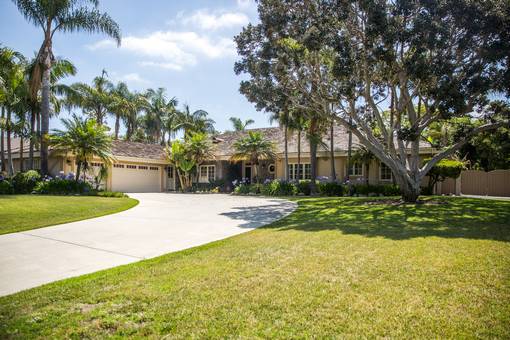
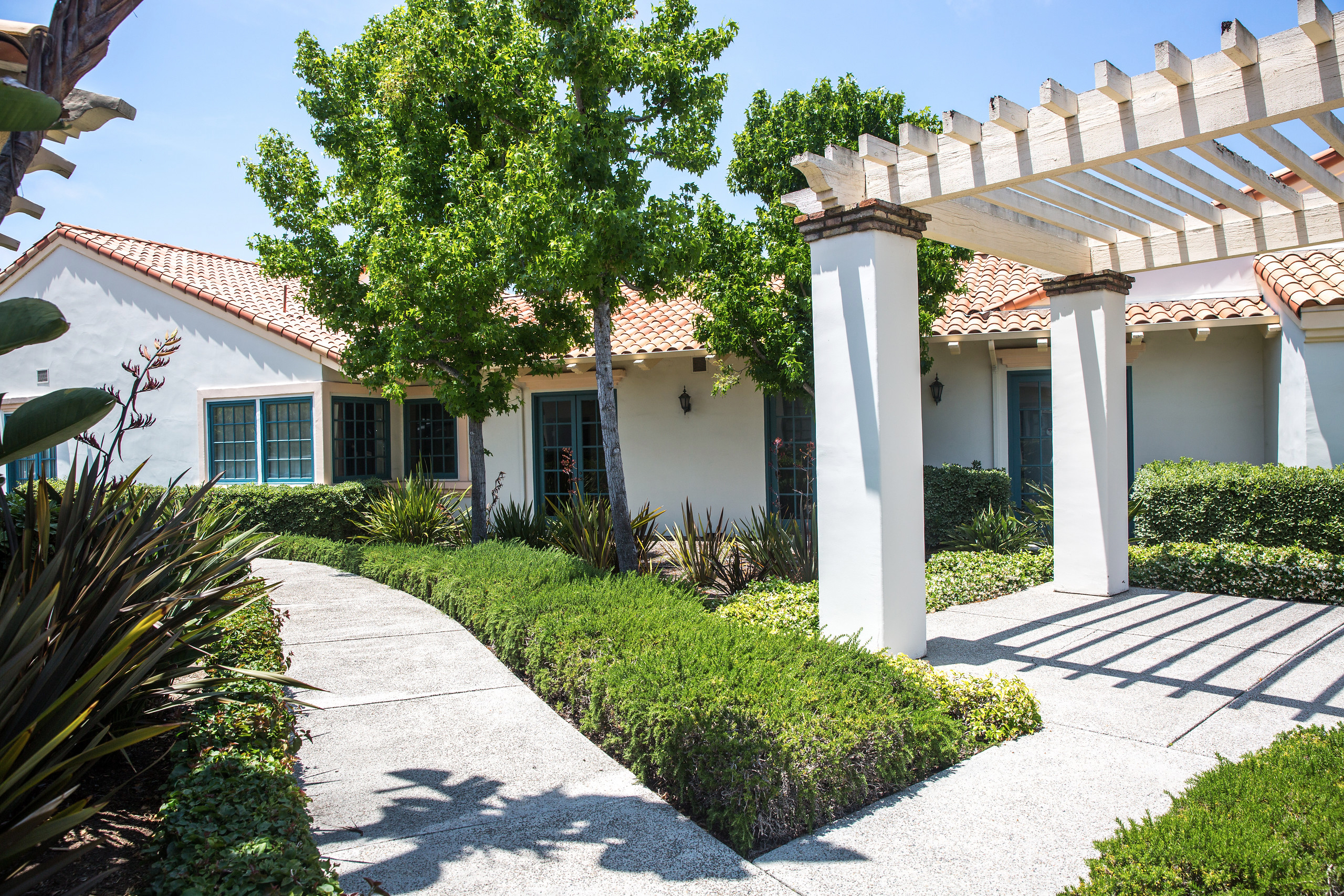
A Better Life Recovery is an accredited residential treatment center located in San Juan Capistrano. Residential or “inpatient” treatment means you will stay at our center 24/7 while you are treated. Our inpatient rehab San Juan Capistrano setting is comfortable and designed to feel like home – a place that feels welcoming and inviting as you begin your recovery.
Our clinical team is experienced in supporting people through recovery from substance use and mental health issues. A board-certified psychiatrist leads the medical side of your treatment, with nursing staff on-site 24/7 for medical support, while therapeutic work is supported by a range of licensed clinicians. These include social workers, marriage and family therapists, and addiction specialists.
What makes ABLR unique is that we maintain a small staff-to-client ratio of 1:2.5, low enough to mean your care is personalized and ensures you are supported. This means the staff working with you can get to know you, understand where you’re at, and ensure you receive the help you need throughout your stay.
With a curated approach to treatment and top-class facilities, ABLR is Southern California’s number one choice for substance use rehab in San Juan Capistrano. In the next section, we explore the treatment programs offered at our rehab centers.
Our Rehabilitation Facilities
When you imagine a rehab center, you might think of shows you’ve seen on TV or scenes from movies about someone mid-detox – sterile, clinical white rooms. If so, you may be relieved to discover that the media portrayals are usually far different from reality. Our residential treatment settings are explored below.
Clinical and Therapeutic Spaces
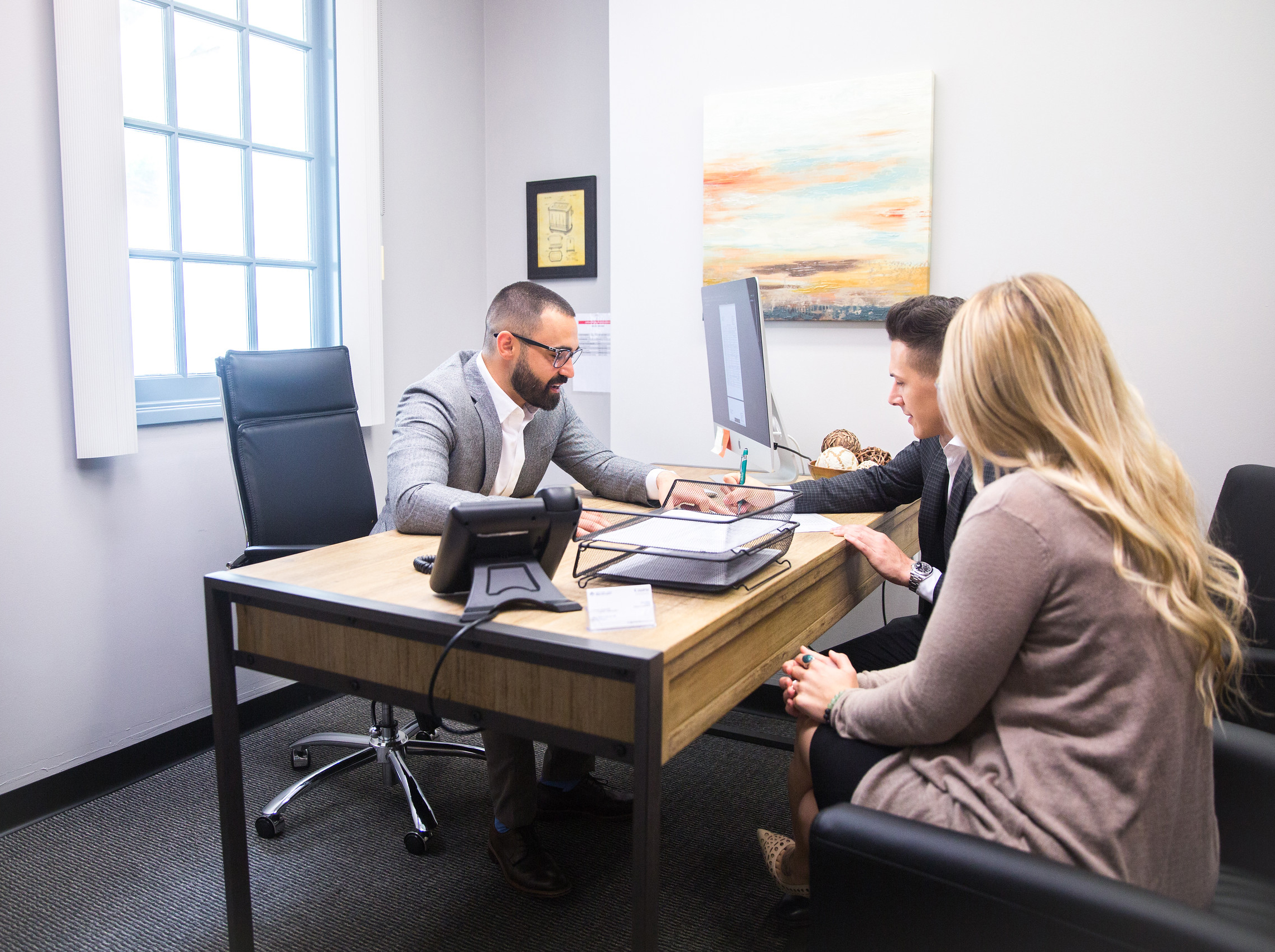
Therapy and treatment are vital for residential rehabilitation. Therefore, we ensure that dedicated, comfortable areas are available for treatment to take place, including private therapy offices, group spaces for therapy, and meeting rooms.
Residential Setting
Residential treatment provides a live-in environment where you can focus fully on your healing. Our settings are designed to be comfortable with a home-from-home feeling, while also having a highly structured, recovery-focused atmosphere.
At our centers, you can expect to find the following:
- Co-ed housing
- Shared bedrooms and bathrooms
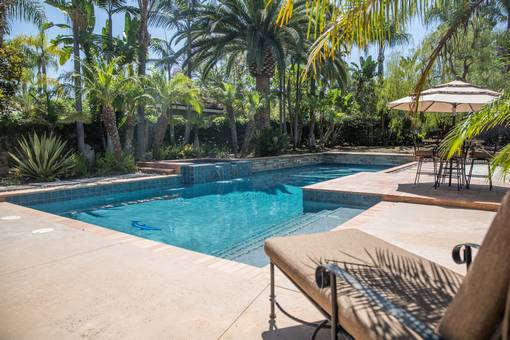
- Outdoor spaces
- Comfortable lounges and common rooms
- Kitchen and dining areas
- Laundry facilities
Amenities and Features
In addition to the previous features, we also provide the following amenities at our Orange County rehab center:
- 24/7 access to clinical support
- Chef-prepared meals
- Free parking
- On-site gym and fitness area
- Games and recreation rooms
- A dedicated smoking area
Our facilities are designed to provide the right settings needed for the successful treatment of substance use. Details of our unique treatment approach are explored further in the next section.
Treatment Programs at Our San Juan Capistrano Location
Addictions rarely occur in isolation; they can be triggered by an underlying condition, or someone may be addicted to multiple substances at the same time. This is why we provide a comprehensive treatment approach that can support you through any challenges you are facing. Information about what we treat (and how we treat it) is provided in the following sections.
Substance Use Treatment
ABLR’s Drug and alcohol rehab in San Juan Capistrano covers a full range of addiction issues and treatment, including:
-
- Alcohol addiction treatment: Residential care for alcohol dependence, including supervised detox and deeper therapeutic work for building a long-lasting recovery.
- Drug rehab: Treatment for all substance use issues that’s tailored to your history, current needs, and goals.
- Opioid and heroin treatment: Medically-supported care for opioid dependence, including withdrawal management and long-term recovery planning.
- Benzodiazepine treatment: Support for benzodiazepine-based dependence, which often requires carefully-managed medical oversight during the withdrawal process.
- Cocaine and stimulant treatment: Targeted programs for stimulant use disorders, including cocaine and methamphetamine.
- Medical detoxification: 24/7 supervised medical detox for safe, supported withdrawal and recovery at our detox San Juan Capistrano treatment center.
Mental Health Treatment
We understand that addiction and mental health concerns often co-occur. That is why ABLR provides mental health treatment alongside substance use care. This includes treatment for:1
- Depression: Evidence-based treatment and psychiatric support for clinical depression and all related disorders.
- Anxiety: Targeted care for anxiety disorders that often co-occur with substance use.
- PTSD and trauma: Trauma-informed care for post-traumatic stress disorder and trauma symptoms.
- Bipolar disorder treatment: Care and support for bipolar and other mood-based issues.
Specialized Programs
Additionally, we offer dedicated programs for specific client populations, such as:
- First responders: Specialized care for law enforcement officers, firefighters, paramedics, and military personnel that’s designed around their particular job-based pressures and trauma patterns.
- LGBTQIA+ affirming treatment: A safe and inclusive space where LGBTQIA+ people receive care that affirms who they are and directly addresses the specific stressors they face in daily life.
- Professionals and executives: Treatment that acknowledges the demands of professional life – always with privacy, discretion, and flexibility for high-stakes careers.
Therapy plays an important role in recovery. Let’s take a closer look at the evidence-based approaches used in our treatment programs.
Evidence-Based Treatment Approaches
Effective addiction and dual diagnosis treatment requires an approach that’s personalized to your specific needs, circumstances, and goals. At ABLR, we aim to provide the best addiction treatment San Juan Capistrano can offer. Our clinical program draws on a range of evidence-based therapies – methods with real research behind them – combined with holistic and wellness programming that supports your all-round recovery.2
Research-backed treatment forms the foundation of our programs. Some of the therapies we offer include:
-
-
- Cognitive behavioral therapy (CBT): A focused therapy that helps people change unhelpful thoughts, beliefs, and behaviors that contribute to substance use.
- Dialectical behavior therapy (DBT): This therapy incorporates mindfulness, emotional regulation, distress tolerance, and communication skills development to allow you to recognize and change substance-oriented behaviors for healthier ones.
- Trauma therapy: Some people may use substances in an attempt to cope with symptoms of PTSD. Therefore, trauma therapy, such as eye movement desensitization and reprocessing (EMDR), can help people process past trauma and manage symptoms such as flashbacks.
- Grief counseling: Sometimes, the pain of loss can be so intense that people use substances to numb their emotions. It also explains why the pain returns when the substances wear off, creating an ongoing cycle. Grief counseling can help people process their loss, understand themselves better, and find healthier ways to manage intense feelings.
- Motivational Enhancement Therapy: This therapy can improve motivation to change substance use behavior. It helps you create a plan for moving forward, build confidence, and learn the necessary skills to stick to your plan.
- Family therapy: Family therapy involves partners or family members in your treatment process to support your successful recovery. This therapy can improve communication, assist with healthy boundary setting, and help heal relationships, which can have a positive knock-on effect of supporting you in staying sober.
- Group therapy: Group sessions, such as the 12-step program, help you work through treatment and recovery alongside your peers. They allow you to develop new skills and coping mechanisms, process your healing journey, learn from others, and receive peer support from a community that really understands you.
-

Clinical Staff and Expertise
Knowing that you are being cared for by professionals who are experienced and specialize in overcoming addiction can make it much easier to trust the recovery process. And this is exactly what you’ll find at our Orange County treatment facility.
Our Better Life Recovery center is staffed by trained and knowledgeable experts in the fields of substance use and mental health disorders. They include:
- Board-certified psychiatrist (MD/DO)
- Licensed Clinical Social Workers (LCSW)
- Licensed Marriage and Family Therapists (LMFT)
- Certified Alcohol and Drug Counselors (CADC)
- Psychiatric-Mental Health Nurse Practitioners (PMHNP)
- Nursing staff on-site 24/7 for medical support
Additionally, our small staff-to-client ratio of 1:2.5 (two dedicated staff members for every five patients) ensures you receive personalized, dedicated support at all times.
Now that you hopefully have a clearer picture of what treatment and care involve, let’s explore what a typical day in residential treatment may look like.
Daily Life in Residential Treatment
Residential addiction recovery centers provide a safe, stable environment to receive the support needed to heal from addictions, such as therapy and medication management. But what does a day-to-day routine look like in these facilities?
The first thing you can expect is structure. Your personalized treatment plan will feed into a highly structured daily schedule designed to promote responsibility, discipline, and healing in a safe, sober living environment. Additionally, there will be certain rules and expectations in this therapeutic community to support recovery and maintain accountability for actions.
Your personal treatment dictates your daily routine, so while your schedule will be unique, certain elements remain common to everyone’s recovery. Some of these daily routines include:
-
- Morning wellness activities
- Meals and nutrition
- Individual therapy appointments
- Group therapy sessions
- Comprehensive psychiatric care (including medication management, where appropriate)
- 12-step meeting attendance
- Recreational activities, such as creative writing, yoga, breathwork, and fitness
- Free time and personal reflection
Furthermore, we provide off-site experiences and outings, for instance, visits to aquariums, farmers’ markets, and museums, as well as mini-golfing, bowling, and beach outings.
Your daily schedule, along with recreational activities, is geared toward helping you achieve your recovery goals and enhancing your overall well-being on your healing journey.
Hopefully, what you have read so far has given you a well-rounded idea of what recovery can look like. But why should you choose our treatment center for your healing journey?
About San Juan Capistrano
If you’re considering ABLR’s rehab in San Juan Capistrano, you might be interested to learn more about the place you’ll be staying.
Our historic mission town – founded back in 1776 – is known as the “Jewel of the Missions” and is a beloved landmark. The Los Rios Historic District, one of California’s oldest surviving neighborhoods, runs alongside the mission and throughout the heart of the downtown area, and is charming to explore.
San Juan Capistrano is located in South Orange County, between Dana Point and Mission Viejo, with a population of around 36,000 full-time residents. This means it has a small-town feel with the benefits of big-city amenities close by.
On top of this, the beaches at Dana Point and Doheny State Beach are just minutes away, while nature and hiking trails are nearby at Caspers Wilderness Park and O’Neill Regional Park.
With a setting like this, our programs aren’t just for the locals; we help people from all across the nation.
Communities We Serve From San Juan Capistrano
Our San Juan Capistrano location draws people from throughout Orange County, Southern California, and states across the nation. Let’s take a closer look at who attends our programs below:
South Orange County
Our closest neighbors in Dana Point, Laguna Niguel, Mission Viejo, San Clemente, Laguna Beach, Aliso Viejo, and Lake Forest are all within easy reach of our Rancho Viejo Road location. For those seeking rehab in South Orange County, ABLR is the closest residential option.
Central Orange County
We regularly serve those coming from Irvine, Newport Beach, Costa Mesa, Tustin, Santa Ana, and Orange as well. Our treatment setting is close enough for family involvement while still providing distance from your everyday environments.
Beyond Orange County
Additionally, ABLR serves people from Los Angeles, San Diego, Riverside, across California, and out-of-state clients from across the country.
Our admission team can help you coordinate transportation to and from any Southern California airport to our rehab in San Juan Capistrano. We share the easiest ways to get to our treatment facility next.
Getting to Our Treatment Center in San Juan Capistrano
ABLR is located at 30300 Rancho Viejo Road, San Juan Capistrano, CA 92675, just off the I-5 freeway via the Ortega Highway (Highway 74) exit.
For those flying in, John Wayne Airport in Santa Ana is nearby, approximately a 25-minute drive from our welcoming facility. From LAX in Los Angeles, the drive could take anywhere from 60 to 90 minutes, depending on the traffic, while the drive from San Diego Airport takes around an hour north on I-5.
If you need help with any of the logistics, call our admissions team for assistance with sorting out your transportation.
Insurance and Admissions
We accept most major insurance plans and offer free, confidential benefits verifications so you’ll know exactly what your coverage looks like before making any decisions. Our team handles the verification process directly with your provider, which means you don’t have to waste time on hold on the telephone to get things moving.
At our San Juan Capistrano rehab, same-day admission is available for those who are ready to go. You can call us 24/7, and we will be here to help you start your recovery process from drugs, alcohol, and co-occurring mental health issues.
Begin Your Recovery Journey Today
Are you ready to reclaim your life? Taking the first step is often the hardest, but we make it simple. We offer multiple ways for you to begin your journey. You can:
- Schedule a free, confidential consultation
- Contact our Orange County rehab centre online or through our 24/7 helpline
- Arrange a private tour of the facility
- Verify your insurance coverage for free
Let us support you toward long-lasting recovery. Reach out to us today.
Frequently Asked Questions About Rehab in San Juan Capistrano
Is San Juan Capistrano a Good Place for Rehab?
The short answer: Yes. The town is peaceful and historic, removed from urban noise, and is in a restorative setting. The climate stays mild year-round, making outdoor activities and time in nature an easily accessible part of daily life, and the local recovery community is active and well-established.
How Far Is San Juan Capistrano From the Airport?
John Wayne Airport in Santa Ana is the closest option, usually less than a half-hour away from our facility. LAX is around an hour to an hour and a half away, depending on traffic, and San Diego is roughly the same.
If you’re flying in, the ABLR admissions team can help coordinate your transportation from the airport to our treatment center to ensure you have a smooth arrival.
Can My Family Visit Me During Treatment in San Juan Capistrano?
Yes, they can. And, we actually encourage and incorporate family involvement into your treatment plan. Scheduled visiting times provide a warm welcome for loved ones who wish to come in person. On top of this, family therapy sessions are available in person and virtually to ensure your loved ones have a meaningful role in the healing process.
San Juan Capistrano has many hotels and restaurants nearby for those making the trip, and the town itself is a pleasant place for them to spend time while they are visiting.
What Is There to Do in San Juan Capistrano During Recovery?
The historic downtown corridor is worth exploring on foot, and there are plenty of beaches, hiking trails, and open spaces within minutes of our facility. Coffee shops, farmers’ markets, fitness options, and a strong local recovery meeting schedule all contribute to a rich community lifestyle. We also incorporate outdoor activities into our programming for holistic health to support your all-round recovery.
Do You Only Serve San Juan Capistrano Residents?
While we’re located in San Juan Capistrano, A Better Life Recovery welcomes clients from all across the U.S. Our admissions team works with everyone, regardless of where you’re from, and can help you piece together the plan to arrive for treatment from your very first call.
References
- Alcoholics Anonymous, Orange County California. (n.d.). Meetings in Orange County. Retrieved December 3, 2025, from https://www.oc-aa.org/meetings/?region=orange-county
- Visit California. (n.d.). Stats & Symbols. Retrieved December 3, 2025, from https://media.visitcalifornia.com/researchandfacts/statsandsymbols
- National Institute on Drug Abuse (NIDA) (US). (2020, April 1). Common Comorbidities with Substance Use Disorders Research Report. NCBI Bookshelf. https://www.ncbi.nlm.nih.gov/books/NBK571451/
- National Institute on Alcohol Abuse and Alcoholism (NIAAA). (2025, May 8). Mental health issues: Alcohol use disorder and common co-occurring conditions. https://www.niaaa.nih.gov/health-professionals-communities/core-resource-on-alcohol/mental-health-issues-alcohol-use-disorder-and-common-co-occurring-conditions#pub-toc2
- NIAAA. (2021, October 1). Frequently asked questions: Searching for alcohol treatment. https://alcoholtreatment.niaaa.nih.gov/FAQs-searching-alcohol-treatment#topic-what-behavior-treatments-for-available-for-aud
- Cavicchioli, M., Movalli, M., Vassena, G., Ramella, P., Prudenziati, F., & Maffei, C. (2019). The therapeutic role of emotion regulation and coping strategies during a stand-alone DBT Skills training program for alcohol use disorder and concurrent substance use disorders. Addictive Behaviors, 98, 106035. https://doi.org/10.1016/j.addbeh.2019.106035
- Veterans Affairs. (2025, October 17). Substance Use and PTSD. https://www.ptsd.va.gov/understand/related/substance_misuse.asp
CONTACT NOW


info@abetterliferecovery.com

Address
30310 Rancho Viejo Rd.
San Juan Capistrano, CA, 92675
WE ARE FULLY LICENSED AND ACCREDITED